White Wine
Filter by price
Stock status
Showing 37–48 of 49 resultsSorted by latest
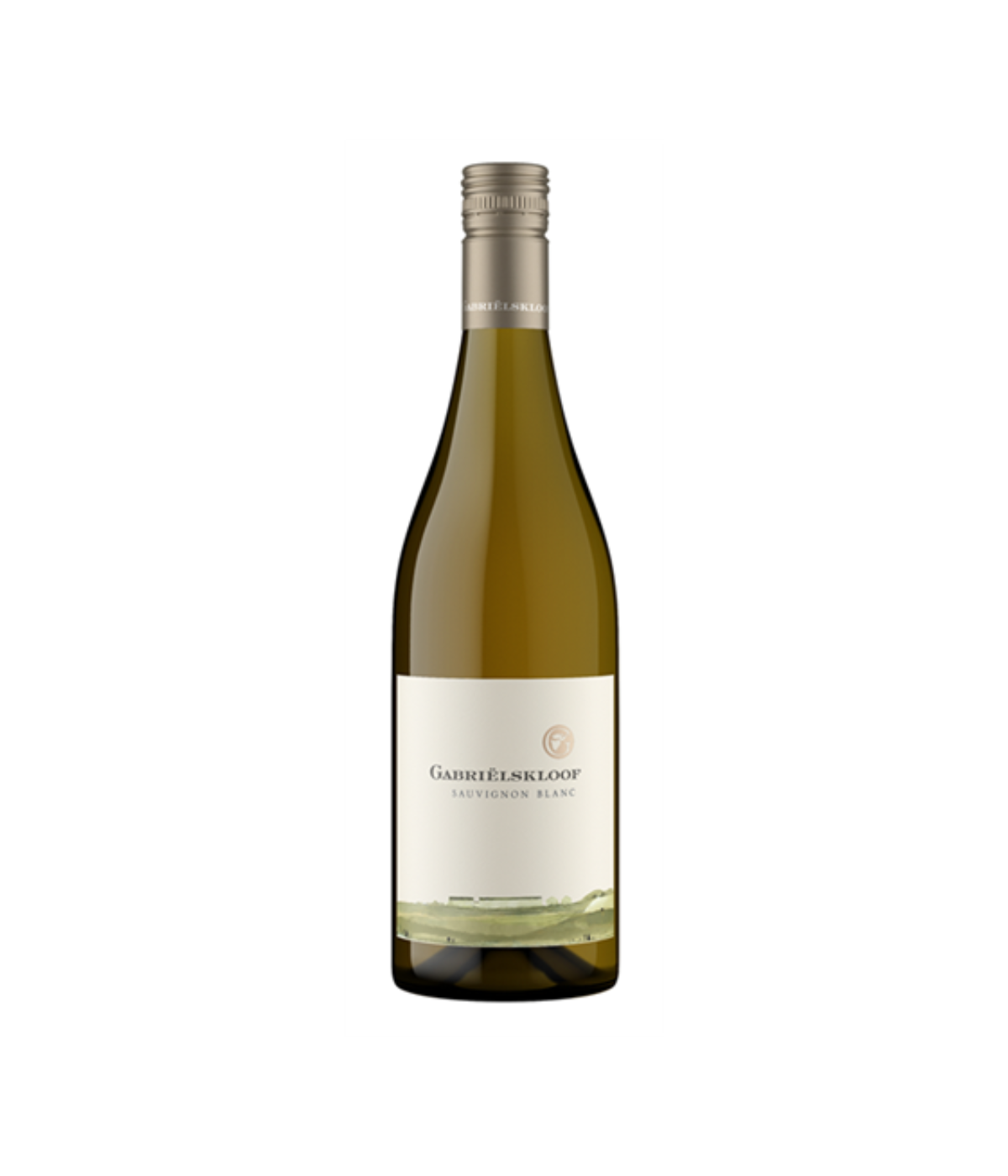
2023 Bot River Sauvignon Blanc, Gabriëlskloof, Cape South Coast, South Africa
£15.00 inc. VATThis is an elegant Sauvignon Blanc with signature aromas of blackcurrant leaf and flint on the nose, with subtle orange blossom notes. The palate is fresh with a racy acidity alongside lychee, pineapple, and tangy fresh lime flavours.
The 2023 vintage was characterised by low yields and early ripening, resulting in wines of excellent concentration and marked freshness, particularly in the whites. Late-season rain delayed ripening on reds, leading to challenges, but increased flavour development and elegance.
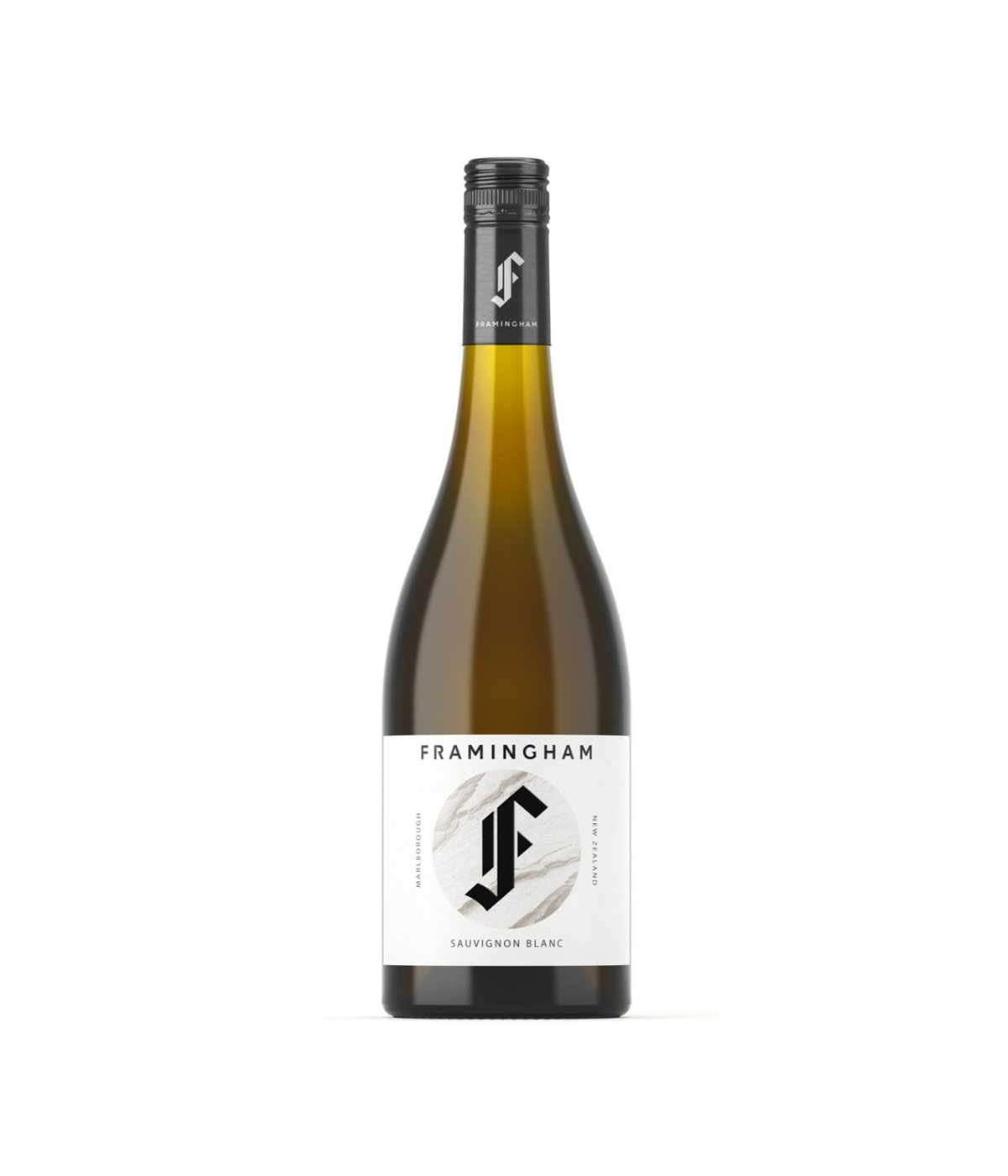
2023 Marlborough Sauvignon Blanc, Framingham, New Zealand
£17.00 inc. VATThis Marlborough Sauvignon has expressive aromatics, showing grapefruit, Meyer lemon, and subtle notes of wet stone. The palate is well-rounded with flavours of passion and stone fruit, sweet herbal hints and fine-boned acidity on the finish.
The 2023 vintage began with a very wet winter which hindered vineyard management in early spring. Late spring was drier and more settled, leading to good growth. The wide range of temperatures and frequent rain events had some impact during fruit set, with some latent botrytis within the bunches. Proactive disease management throughout the spring and summer successfully minimised threats to the fruit and the cold nights enabled the fruit to retain natural acidity. The resulting harvest was of excellent quality, proving this to be a great vintage despite the challenges.
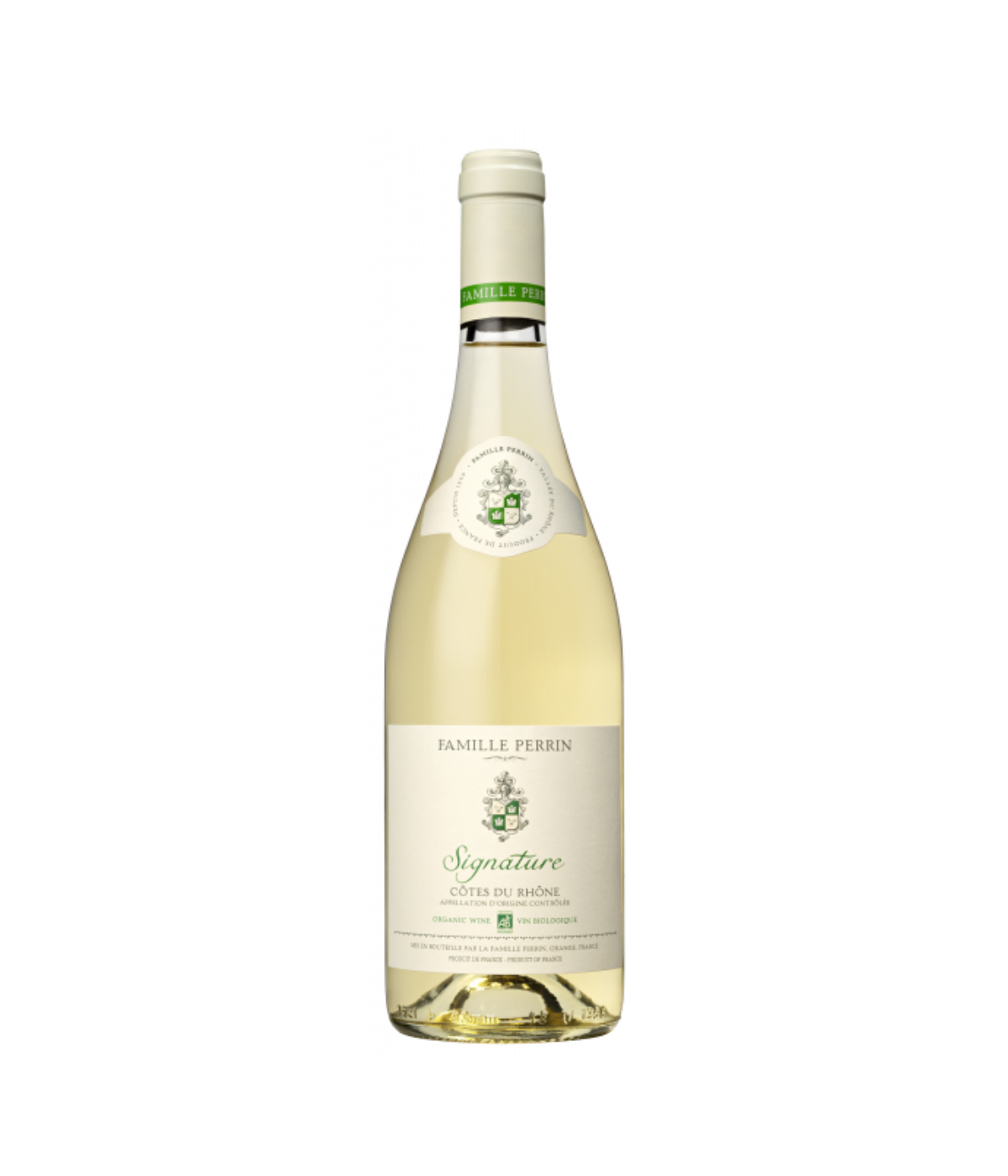
2024 Organic Côtes-du-Rhône Blanc, Famille Perrin ‘Signature’, Southern Rhône, France
£16.75 inc. VATThe Famille Perrin wines offer classic examples of the Southern Rhône, expertly crafted by the consistent winemaking of the Perrin family. A combination of vibrant fruit and a strong sense of place underlines the value these wines offer.
For the Luberon Rosé and Luberon Blanc, the Perrin family work closely with their growers to achieve optimal freshness. The fruit is sourced from the Parc Régional de Luberon, situated in the south-east of the Rhône Valley. The combination of cooler climate, an elevation of 300 metres and limestone marl soil gives the wines a lively acidity. The Luberon Rosé blends Cinsault, Grenache and Syrah, offering a subtle floral and red-fruit character. The Luberon Blanc is a blend of Bourboulenc, Grenache Blanc, Ugni Blanc and Roussanne and has vibrant citrus notes complemented by a mineral finish. The Ventoux Rouge hails from the slopes of Mount Ventoux, where high elevations again provide key freshness to this blend of Carignan, Cinsault, Grenache and Syrah. The finished wine is fragrant with juicy red fruit, balanced by soft, ripe tannins.
2022 `Heritage Collection` Chardonnay, De Loach, California, USA
£17.99 inc. VATDe Loach’s 2022 vintage yielded excellent quality fruit. Following several drought years in California, substantial winter rainfall helped to replenish water reserves. This was followed by a dry March. Spring frosts in April and May reduced yields. The warm late summer and autumn provided excellent ripening conditions and harvest started two weeks ahead of average. Overall, yields were slightly down, but concentration was very good.
This Chardonnay has vibrant aromas of honeysuckle, citrus fruit, and ripe white peach on the nose. The palate is medium-bodied with juicy acidity and creamy mouthfeel. Flavours of ripe pear, lemon curd and vanilla lead to a lively finish.
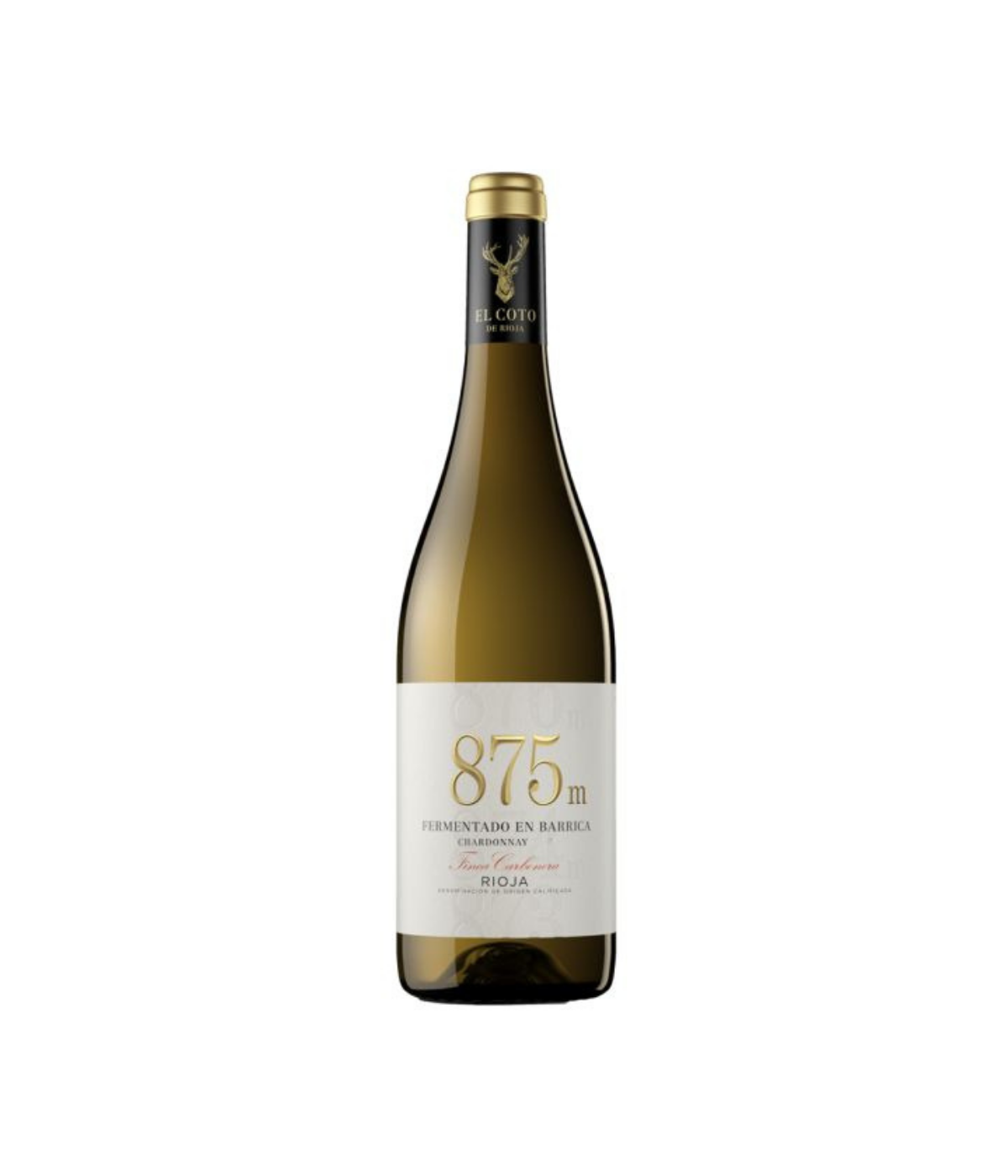
2022 `875m Finca Carbonera` Rioja Chardonnay, El Coto, Spain
El Coto’s 2022 vintage in Rioja was characterised by a dry winter with little rain, and a summer of equally low rainfall and moderately warm temperatures, with the exception of some stormy weather in June. September proved more problematic, with high levels of rainfall bringing on botrytis in some areas. A dry and warm October, however, brought the perfect conditions for the last stages of ripening and allowed for a slow, staggered harvest.
The grapes for this Chardonnay are sourced from El Coto’s Finca Carbonera estate, at 875 metres above sea level, making it the highest vineyard in Rioja and ideal for the new white grape varieties approved by the Rioja Regulatory Board. A wide diurnal range aids the slow, steady ripening of the grapes, ensuring they retain fresh acidity and perfumes. The vineyard sits on a glacis – a sloping bank beneath an old fortress – with stony top soils that provide good drainage and aid in the health and maturation of the grapes.
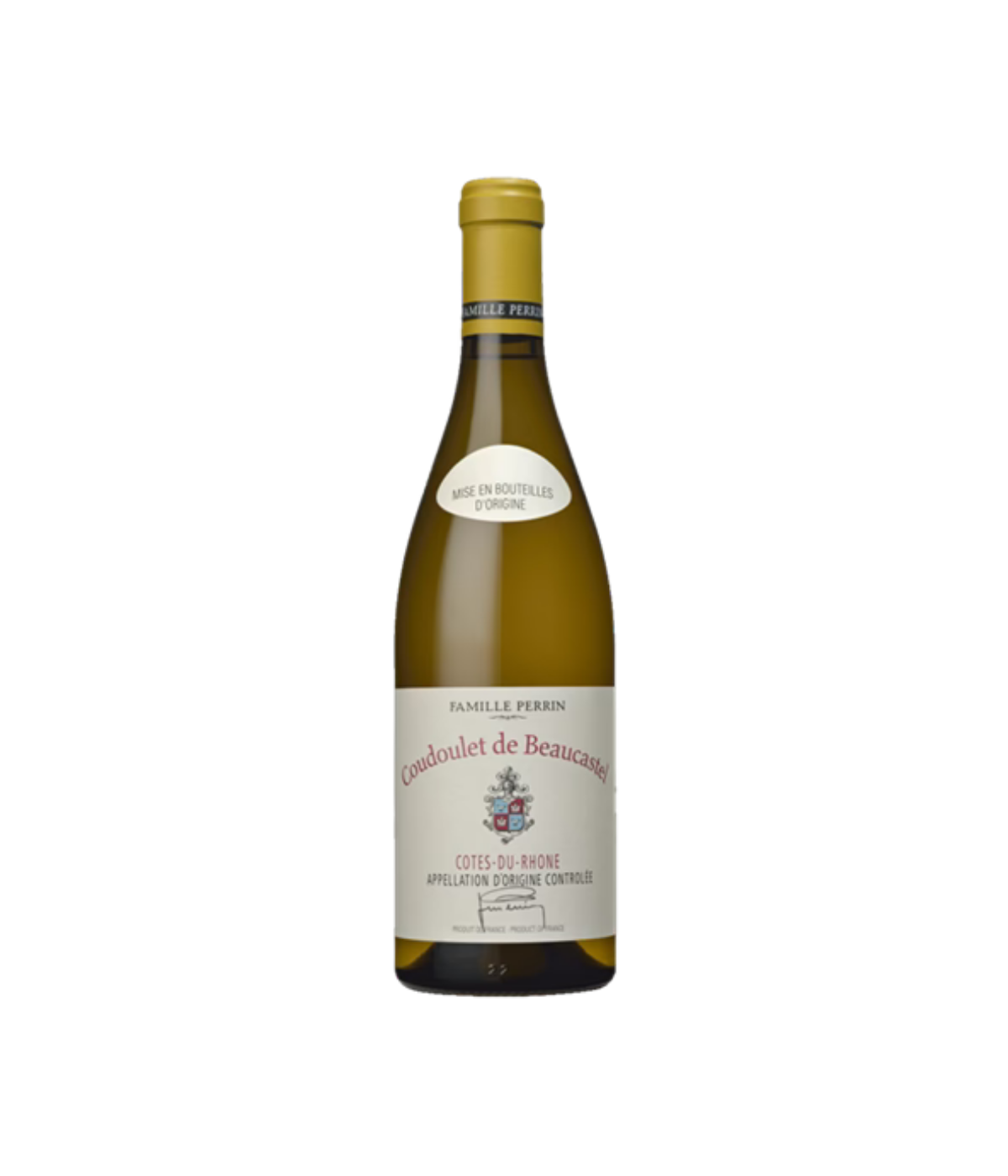
2021 `Coudoulet de Beaucastel` Blanc Côtes-du-Rhône, Château de Beaucastel, Southern Rhône, France
£40.00 inc. VATChâteau de Beaucastel’s 2021 vintage is one marked by freshness, similar to vintages of the eighties and nineties. Human intervention and care to the vines was essential in the success of this vintage. There were many climatic events including a frost in April, and an interrupted harvest due to rain. This required constant investment from the vineyard teams. The team’s attention to detail and commitment to the fruit has created a vintage of exceptional freshness and great balance.
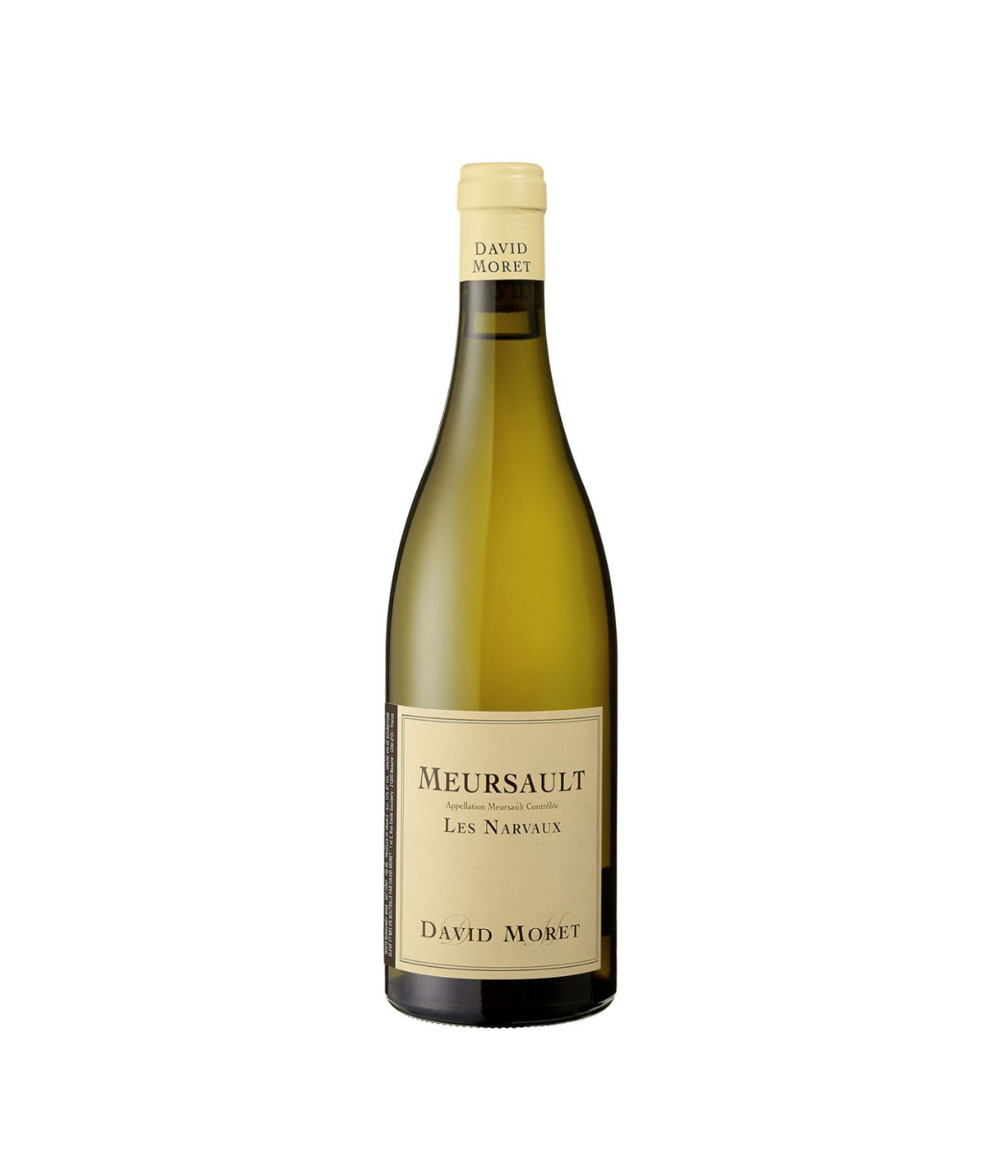
2022 Meursault `Les Narvaux`, David Moret, Burgundy, France
David Moret’s 2022 vintage in the Côte de Beaune was characterised by abundance and excellence. The growing season began with a cold, wet winter, which resulted in a slower start to the growing season and delayed budburst, saving the vines from the worst of the spring frosts. The winter rains also replenished soil water reserves and sustained the vines through four heatwaves during the summer. Harvest was earlier than usual, but the quality of the fruit harvested was excellent, with vibrant aromatics and balancing acidity.
David Moret is a micro-négociant making wines in his small cellar in Beaune. Despite first studying oenology, he went on to sell winemaking supplies before finally deciding to make wines himself. With no family-owned vines, David bought grapes and purchased his first barrels in the late 1980s, starting his own, eponymous label in 2000. Since then, he has continued to buy small parcels of grapes from top growers and ferments using indigenous yeasts. His wines are bottled without fining or filtration, after being naturally settled while ageing in oak. David uses 20% new oak for his Villages wines and up to 40% new oak for his Premier and Grand Crus.
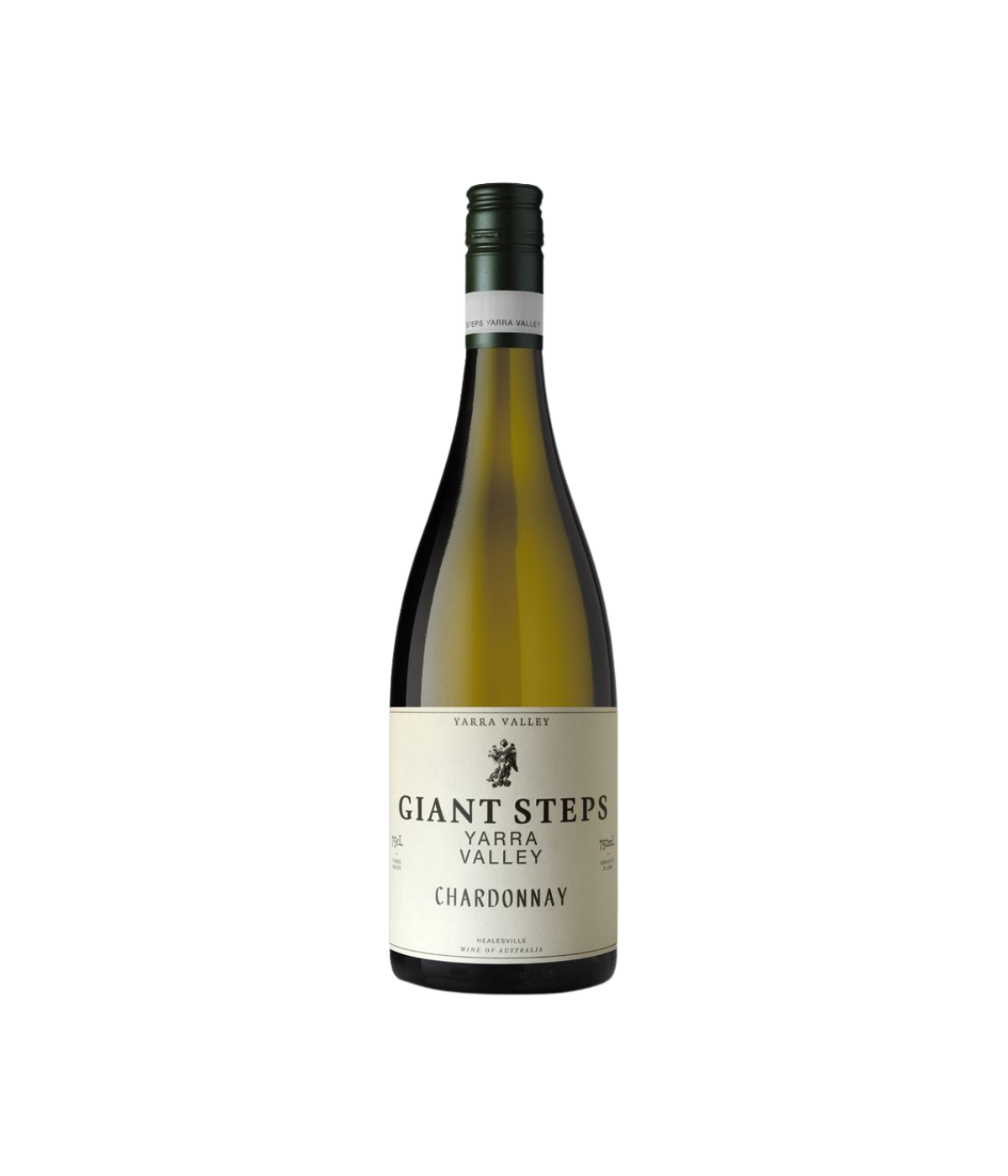
2023 Yarra Valley Chardonnay, Giant Steps Yarra Valley, Victoria, Australia
£34.00 inc. VATGiant Steps 2023 vintage saw cool and wet conditions throughout the entire growing season, delaying both the ignition and the commencement of this tough vintage. Spring was often wet in the Yarra Valley, with record volumes of rain from September until December. The frequent downpours elevated disease pressure but also made access to the vineyards an arduous task from waterlogged earth. A small stretch of warmer conditions dried out the vineyards, followed by well timed rainfall rolling into summer. Much credit of this vintage goes to the appearance of sun in the critical weeks of flowering, allowing a healthy berry set and abundant pristine fruit. The 2023 wines of Giant Step are light and expressive, with varietal typicality shining through.
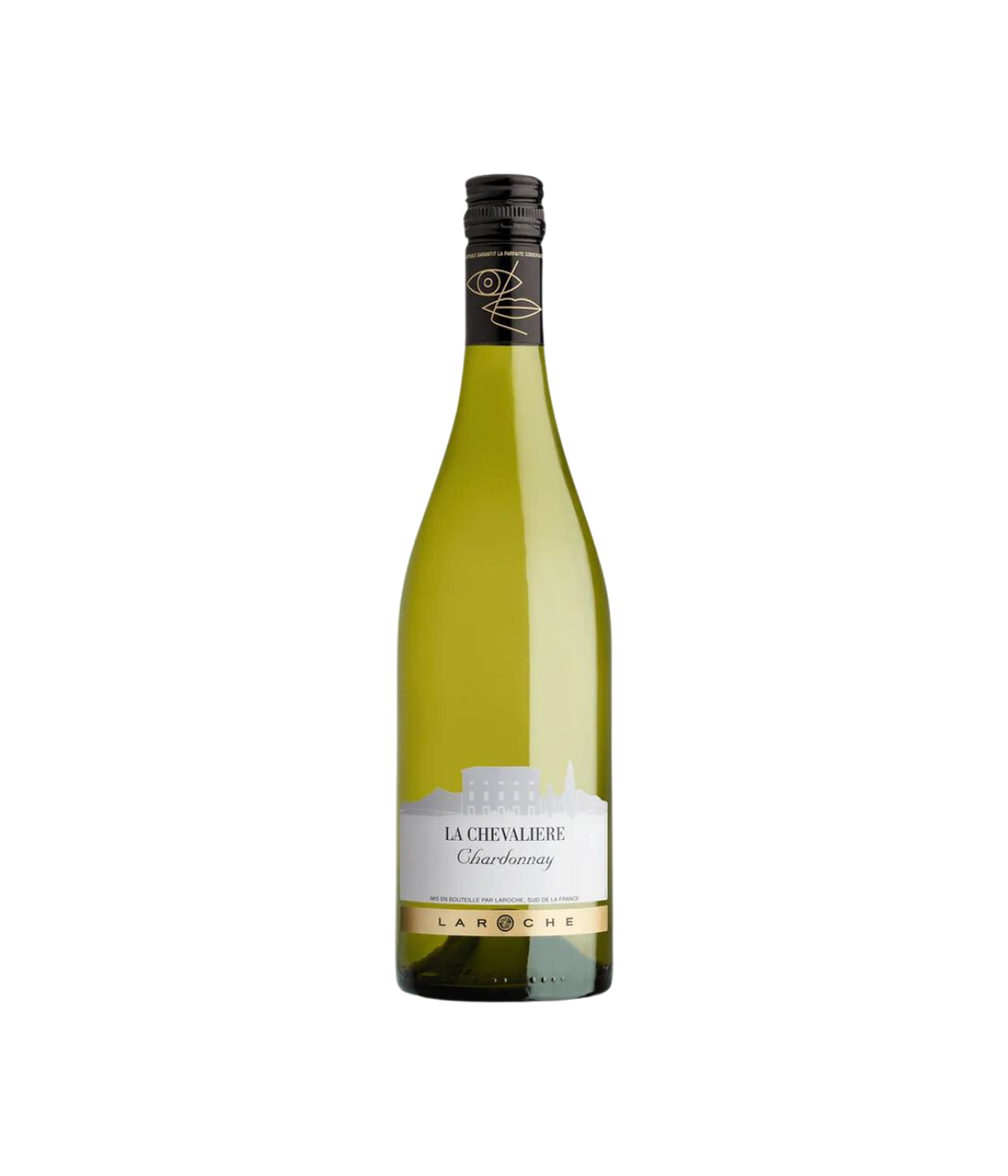
2023 Chardonnay IGP Pays d’Oc, Laroche La Chevalière, France
£13.00 inc. VATLaroche La Chevalière 2023 vintage in the Languedoc was characterised by hot and dry conditions, with less than 200mm of rain falling throughout the year. A drier than usual winter resulted in a slow start to the growing season. Temperatures remained relatively mild until mid-August, when there was a heatwave. This accelerated ripening and, coupled with the lack of water reserves, resulted in lower yields. The harvest began earlier than usual and the grapes harvested were of excellent quality with a good balance between ripe aromatics and refreshing acidity.
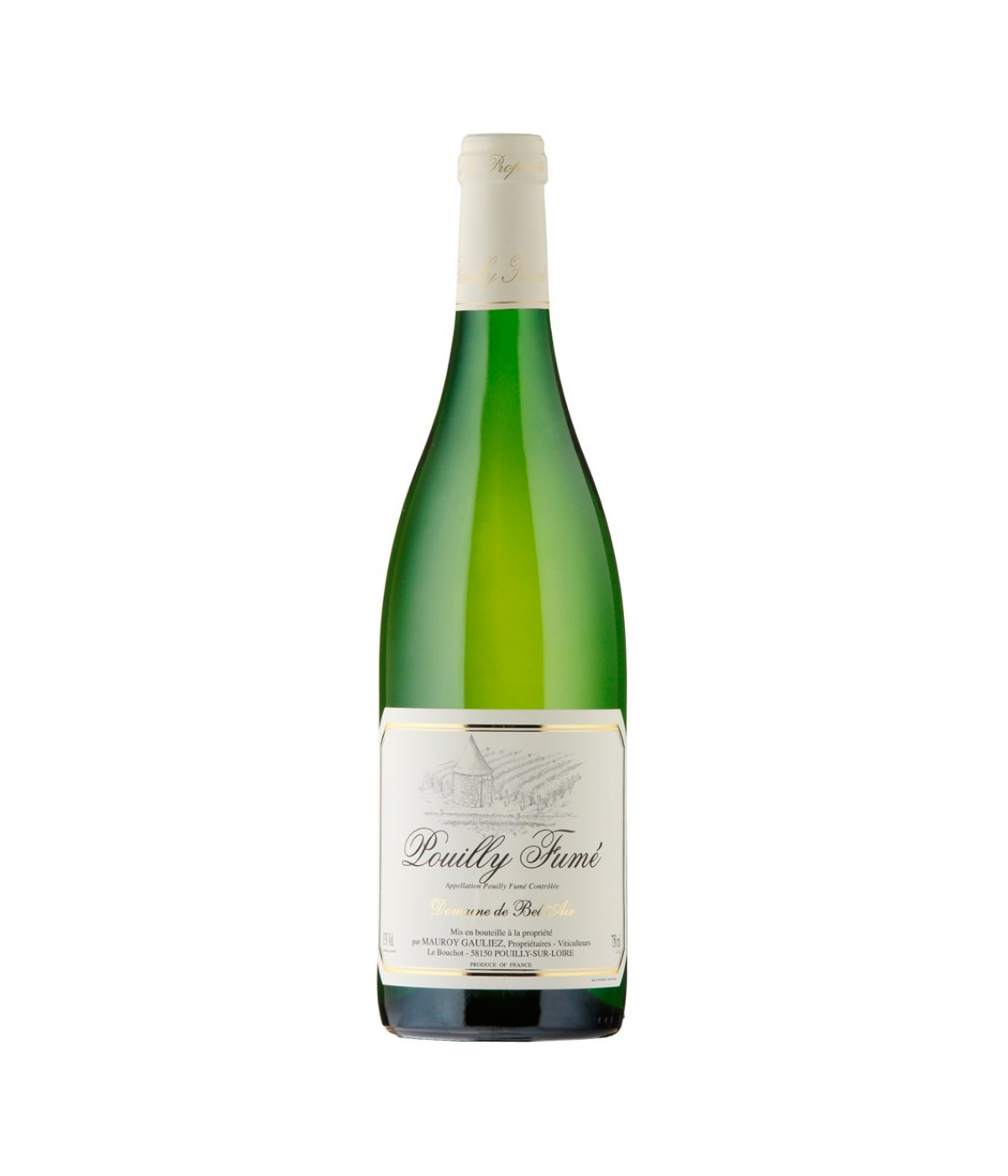
2023 Pouilly-Fumé, Domaine de Bel Air, Loire, France
£22.99 inc. VATThe Domaine de Bel Air 2023 vintage in the Loire began with a cool and relatively rainy winter which replenished soil water reserves after the hot and dry 2022 vintage. The vineyards largely escaped the threat of spring frosts and flowering and fruit set took place under excellent dry and sunny conditions at the end of May. It was very dry during July and August and some welcome showers arrived in September and gave the vines a necessary boost to complete the final stages of ripening. The harvest began in mid-September and the quality of the fruit was excellent.
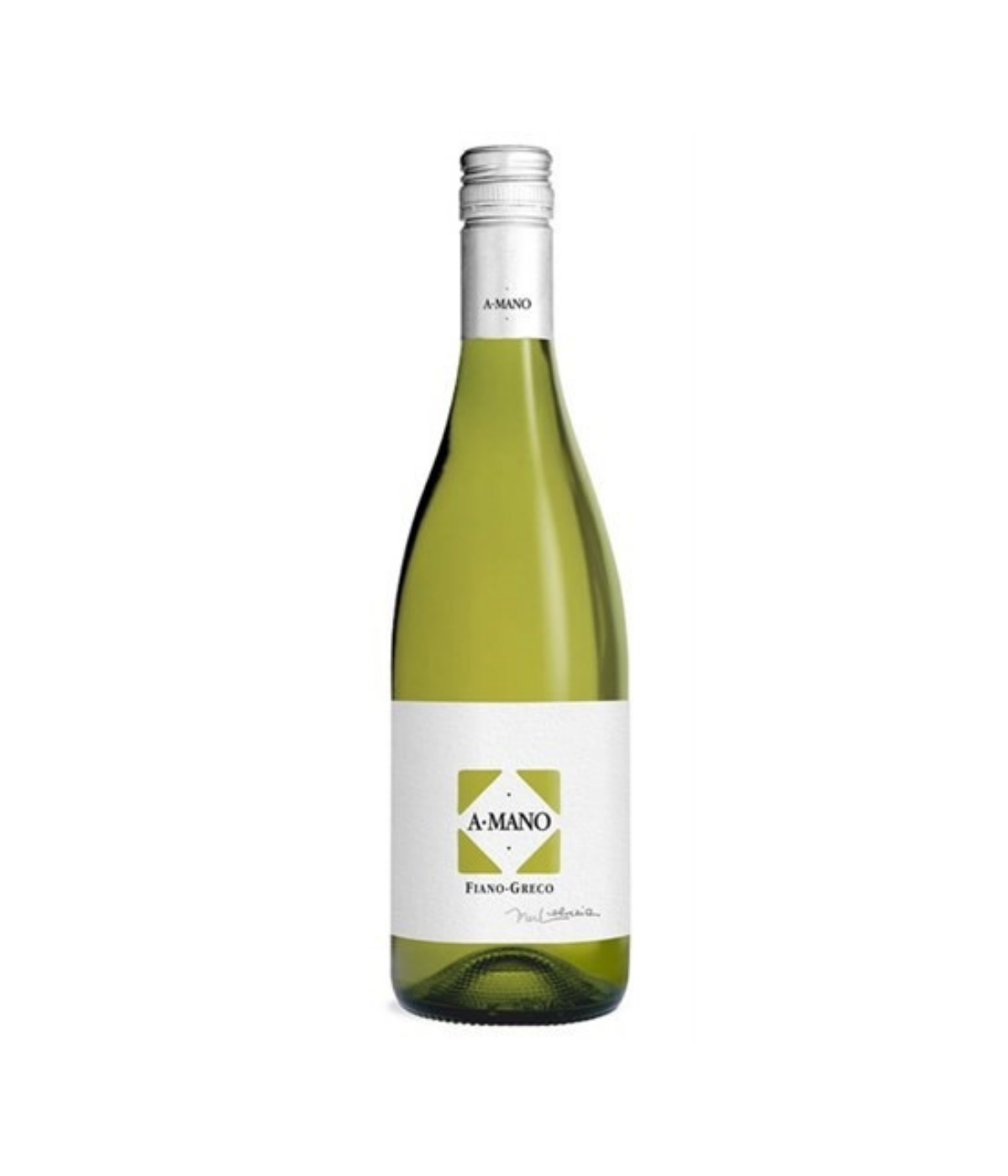
2023 Bianco, A Mano, Puglia, Italy
£14.75 inc. VATThe 2023 vintage saw very little rainfall and a very hot summer. This meant extra care was needed in the vineyard to manage the health of the vines. Harvest timing was critical for preserving the freshness of the fruit, and was brought forward to account for the increased speed of ripening due to the hot weather.
Mark Shannon and his partner Elvezia Sbalchiero have revolutionised the style and calibre of Primitivo, turning it into one of Puglia’s most talked about grape varieties. They achieved this at A Mano, in Salento, by paying fair, high prices for the best possible grapes (sourced from 70 to 100-year-old vines) and focusing exclusively on quality, while crafting a modern style. As the old saying goes, where you lead others will follow.
The continued success of A Mano is at least partly attributable to the knowledge that Mark and Elvezia have gleaned from over 18 vintages in Puglia. Not only do they have access to Salento’s best grapes, but their growers have also realised that if they want the higher price paid by A Mano, they need to provide quality to match.
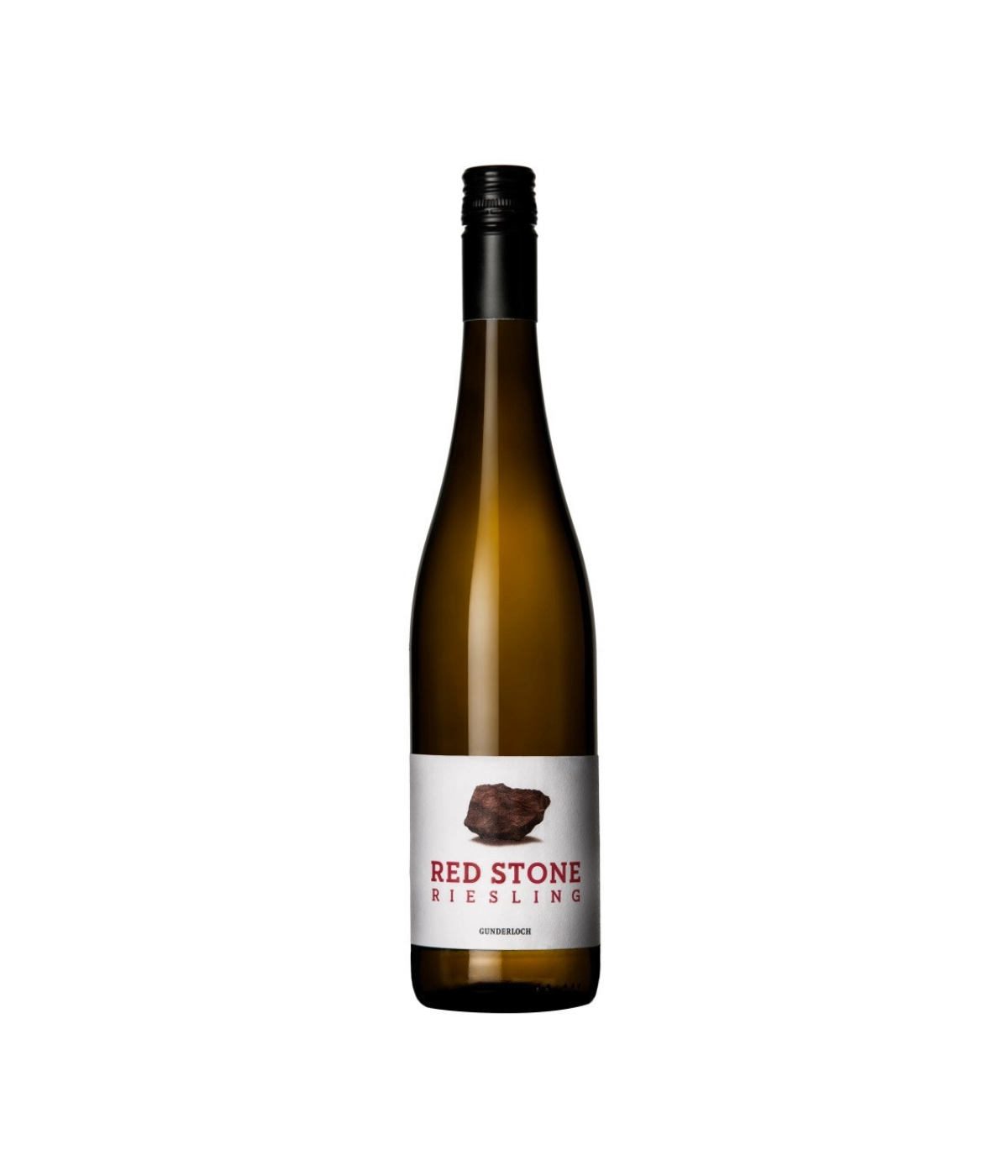
2023 `Redstone` Riesling, Gunderloch, Rheinhessen, Germany
2023 was an excellent vintage in the Rheinhessen. A cool and wet winter ensured generous water replenishment in the soils. Flowering and the berry set occurred in flawless conditions throughout May and June, and some light water stress in July was beneficial to lower vineyard vigour. Late summer rains were managed with canopy management and crop thinning. Harvest started in mid-September, and fruit quality was exceptional with phenolic tension, concentred juice, and well-balanced acidities.
Gunderloch are one of the Rheinhessen’s most respected producers, known for their complex Rieslings derived from the distinctive, red soils of Roter Hang. Though the estate has over 130 years of history, including a pivotal role in the founding of the Verein Deutscher Prädikatsweingüter (VDP), its reputation has been shaped by a willingness to adapt in pursuit of continued quality. As sixth-generation winemaker Johannes Hasselbach explains, “this is an old estate with a long history, but we have to evolve because when nature changes, so do the wines”.
Gunderloch own 24-hectares of vines, most of which are concentrated in Roter Hang (the red hillside), which stretches from Nackenheim in the north to Nierstein in the south. The area, which overlooks the Rhine, takes its name from the distinctive iron-rich red soils formed over 280 million years ago. This combination of red slate, clay and limestone lends a distinctive character and complex minerality to the Riesling grown there. Their Roter Hang vineyards include several Grosses Gewächs shared with producers such as Weingut Keller, including ‘Rothenberg’, ‘Hipping’ and ‘Pettenthal’.
Since taking over from his parents in 2016, Johannes has developed Gunderloch’s viticultural practices, achieving organic certification in 2022. Johannes has put significant focus on improving soil health. The vineyards are now low-tilled with native cover crops planted between rows and solar-powered drones are used to apply biodynamic tea preparations without compacting the earth. In the solar-powered winery, Johannes takes a low-intervention approach to enhance site expression. The ‘pied de cuve’ is cultivated in both the vineyard and cellar, and skin maceration is utilised, with ageing in old oak and cement eggs (particularly on the Grosses Gewächs wines), to bring out the natural phenolics of the fruit.
Online Sports Nutrition and Natural Dietetics.
Chances are there wasn't collaboration, communication, and checkpoints, there wasn't a process agreed upon or specified with the granularity required. It's content strategy gone awry right from the start. Forswearing the use of Lorem Ipsum wouldn't have helped, won't help now. It's like saying you're a bad designer, use less bold text, don't use italics in every other paragraph. True enough, but that's not all that it takes to get things back on track.
The villagers are out there with a vengeance to get that Frankenstein
You made all the required mock ups for commissioned layout, got all the approvals, built a tested code base or had them built, you decided on a content management system, got a license for it or adapted:
- The toppings you may chose for that TV dinner pizza slice when you forgot to shop for foods, the paint you may slap on your face to impress the new boss is your business.
- But what about your daily bread? Design comps, layouts, wireframes—will your clients accept that you go about things the facile way?
- Authorities in our business will tell in no uncertain terms that Lorem Ipsum is that huge, huge no no to forswear forever.
- Not so fast, I'd say, there are some redeeming factors in favor of greeking text, as its use is merely the symptom of a worse problem to take into consideration.
- Websites in professional use templating systems.
- Commercial publishing platforms and content management systems ensure that you can show different text, different data using the same template.
- When it's about controlling hundreds of articles, product pages for web shops, or user profiles in social networks, all of them potentially with different sizes, formats, rules for differing elements things can break, designs agreed upon can have unintended consequences and look much different than expected.
This is quite a problem to solve, but just doing without greeking text won't fix it. Using test items of real content and data in designs will help, but there's no guarantee that every oddity will be found and corrected. Do you want to be sure? Then a prototype or beta site with real content published from the real CMS is needed—but you’re not going that far until you go through an initial design cycle.