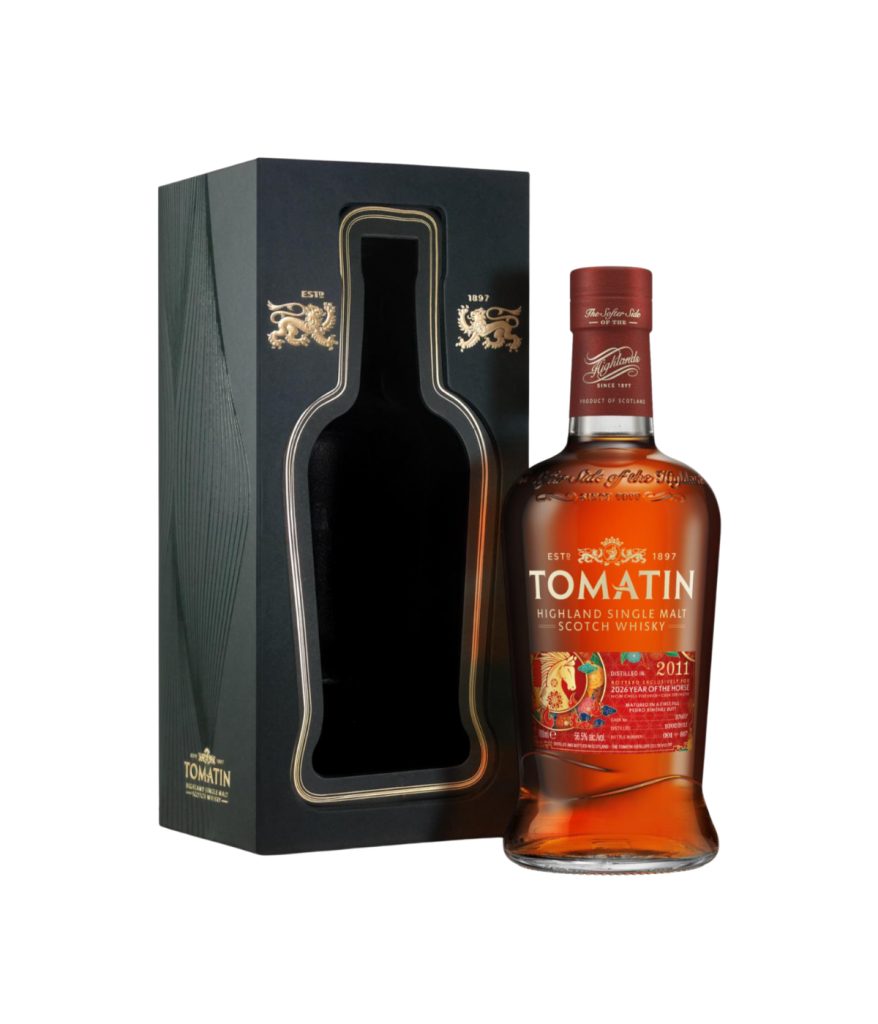
Investing in whisky has always been an alternative method of growing your wealth. Since the pandemic, the spotlight on investing in whisky has massively increased. Even those who don’t like whisky have found themselves scouring whisky websites looking for the newest releases, with some ready to flip them for profits of up to 300% just a few days later, with others happy to hold for the long term. Whiskies of investment quality can range from costing as little as £75, all the way up to as much as a 4-bedroom home!
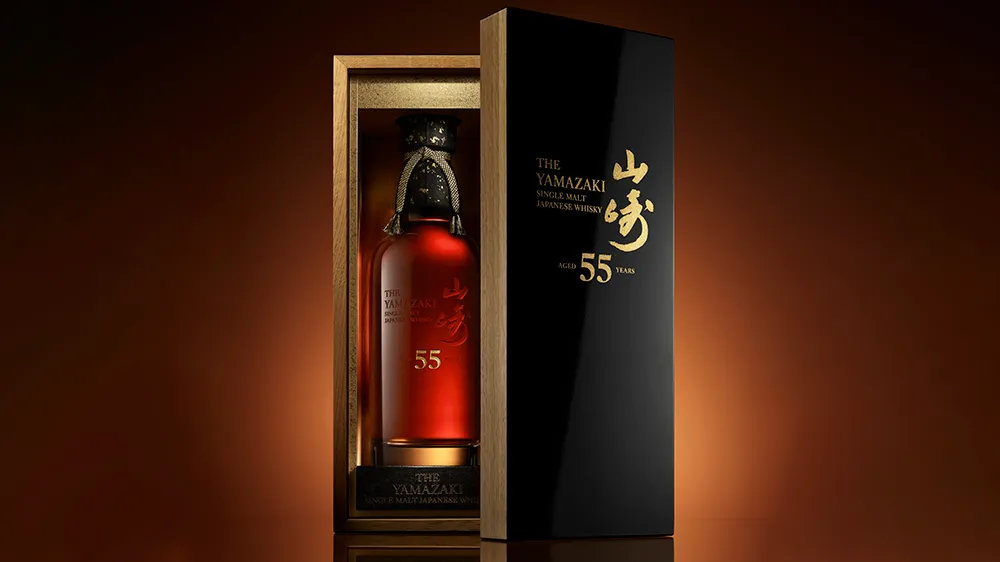
Some examples from the past include inaugural release whiskies from smaller distilleries like Daftmill in Fife, Scotland, which had an initial RRP of £210 in 2018 and are now worth over £2,000 just 5 years later. Well-known brands like Yamazaki sold their limited edition 55 Year Old bottles at £55,000 each, before they were sold at auction for up to £650,000.
But how do you start to invest in whisky, and what should you look for? Here are some of our top tips to know before you start to invest in whisky:
- Choose a Trustworthy Seller:
- Start your whisky investment journey by finding a reputable whisky company who have strong reviews, a history and demonstrate transparency
- If needs be, verify that the whisky company has the correct licenses and has been setup with companies house
- Beware of pushy sales tactics; a reputable whisky company won’t pressure you into making hasty decisions
- Keep Your Investments Separate:
- If you’re a whisky fan and enjoy savouring the flavors, it’s wise to store your investment bottles separately from those you intend to drink!
- For cask investments, think about putting them into storage and insuring them, this ensures their safety and potential for growth
- Cask Investment Potential:
- Casks often represent a solid investment, with values generally appreciating over time.
- Aim for casks that are 8 to 12 years old ,and hold onto them for at least three to five years to maximise their potential
- As the whisky ages, its value tends to increase, providing a reliable investment avenue
- Consider Hyper Rare Bottles:
- While casks offer consistent returns, don’t overlook the potential of rare whisky bottles.
- Some bottles, like the Yamazaki 55, have seen staggering appreciation in a short space of time, turning £55,000 into values as high as £650,000
- Start with What You Can Afford:
- The beauty of whisky investment is that you can begin with as little as a few bottles
- If you’re considering cask investments, a good starting point is around £10,000, setting you on the path to whisky investment success
- Embrace the Long-Term Perspective:
- Whisky investment isn’t a get-rich-quick scheme; it requires patience and discipline, although some bottles can be flipped for a quick return (beware of annoying some of the whisky aficionados however!)
- Be clear with your expectations on your returns and consider a minimum time period to hold your whisky before selling, typically 2-5 years
- Typically Seek Aged and Limited Edition Bottles:
- Look for aged and vintage bottles from reputable distilleries including Macallan, Dalmore, Rosebank and Springbank
- Look out for limited edition bottles where only a few hundred or thousand bottles were produced, core whisky that is released regularly won’t perform the same way
- Brands like Macallan, especially those bottled 18 years or older, tend to perform well in the market
- Japanese whiskies like Yamazaki and Karuizawa, with age statements, are also solid choices.
- Consider exploring closed distilleries like Brora, Port Ellen, and Rosebank, which may offer strong returns as they age
Bonus Tips:
- Inaugural release whiskies are a great catch for investment collections
- Look out for whiskies that have been crafted in partnership with other brands, they tend to reach a wider market, such as Bowmore’s limited releases in partnership with Aston Martin
In conclusion, whisky investment holds exciting opportunities for those with a discerning eye and a long-term outlook. Start by aligning yourself with reputable whisky companies, consider both cask and bottle investments, and remember to account for tax benefits and the operational status of the distillery when making your investment decisions. With these expert tips, you’ll be well on your way to mastering the art of whisky investment.