Shop

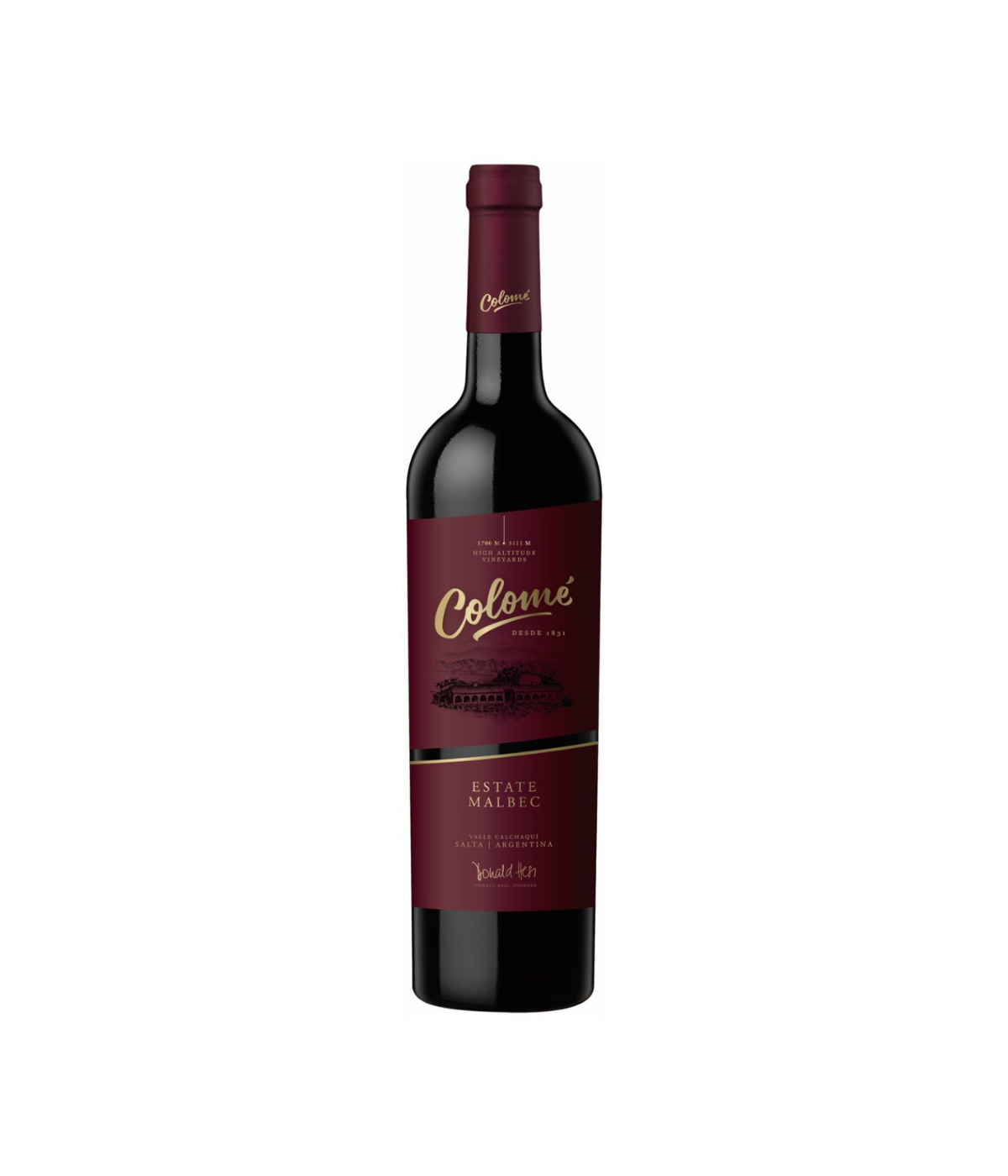
2022 Salta Malbec, Bodega Colomé `Estate Series`, Argentina

£22.00 inc. VAT

Bodega Colome and the Calchaquí Valley enjoyed excellent conditions in 2022. The total rainfall was usual, 160 mm, with a very good crop in terms of both quantity and quality. During maturation, the work on the canopy allowed for a good circulation of air in the vineyard, which helped prevent botrytis from developing. At the same time there were many cloudy days which gave the fruit freshness and avoided sunburn.

Add to basket

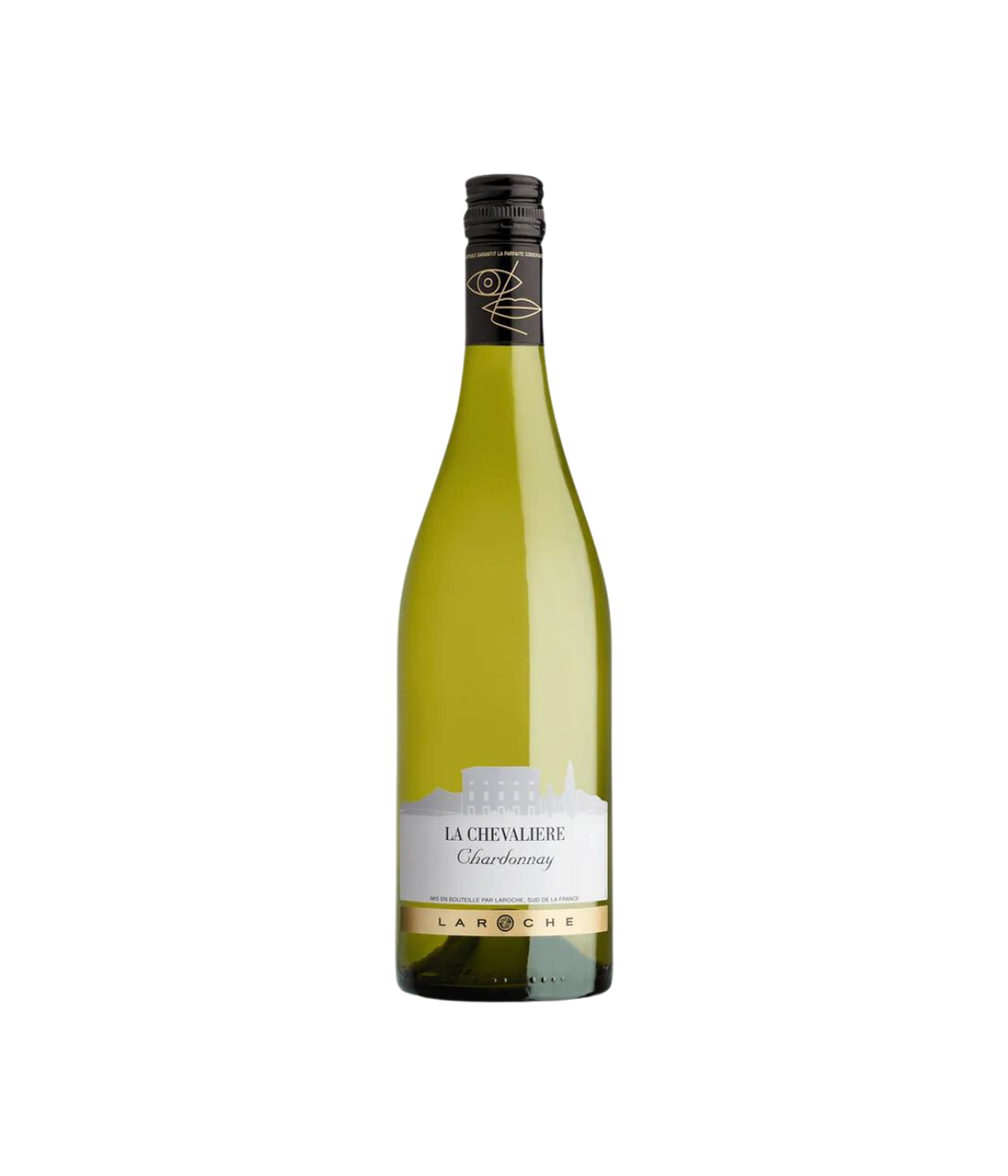
2023 Chardonnay IGP Pays d’Oc, Laroche La Chevalière, France

£13.00 inc. VAT

Laroche La Chevalière 2023 vintage in the Languedoc was characterised by hot and dry conditions, with less than 200mm of rain falling throughout the year. A drier than usual winter resulted in a slow start to the growing season. Temperatures remained relatively mild until mid-August, when there was a heatwave. This accelerated ripening and, coupled with the lack of water reserves, resulted in lower yields. The harvest began earlier than usual and the grapes harvested were of excellent quality with a good balance between ripe aromatics and refreshing acidity.

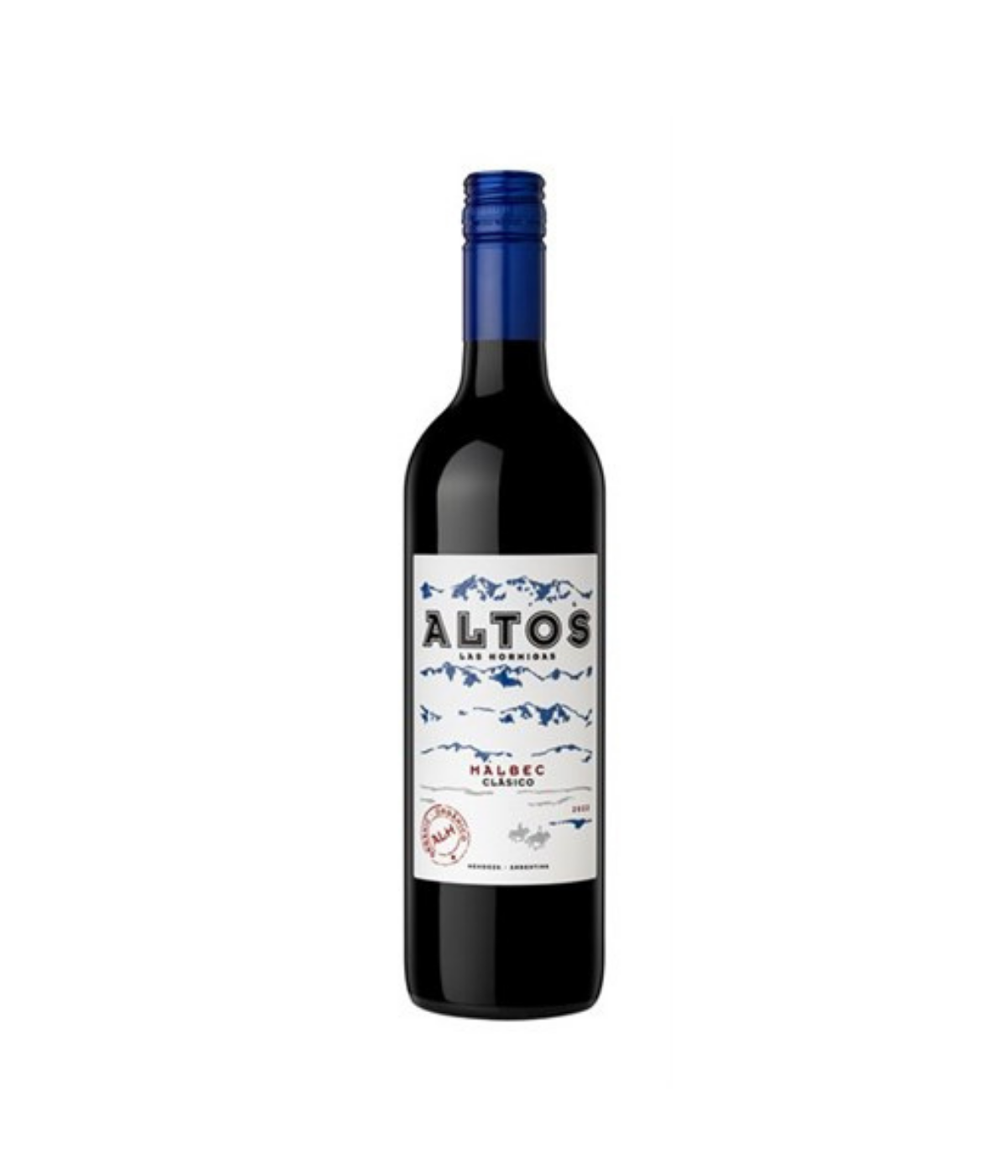
2022 Organic Mendoza Malbec Clásico, Altos Las Hormigas, Argentina

£15.50 inc. VAT

Altos wine 2022 harvest was shorter than others, but no less intense. The season was marked by strong heatwaves which affected the speed of ripening. Careful work in the vineyard allowed the desired alcohol and acidity levels to be obtained prior to the heatwaves which preserved the distinct characteristics of the fruit. The season also saw heavy rains which threatened to delay harvest. However, the rains stopped at the perfect time to allow for a window of harvest when the fruit was at optimum health. The rain also cooled down the vineyards at the end of ripening which provided the necessary balance to the grapes.

Add to basket

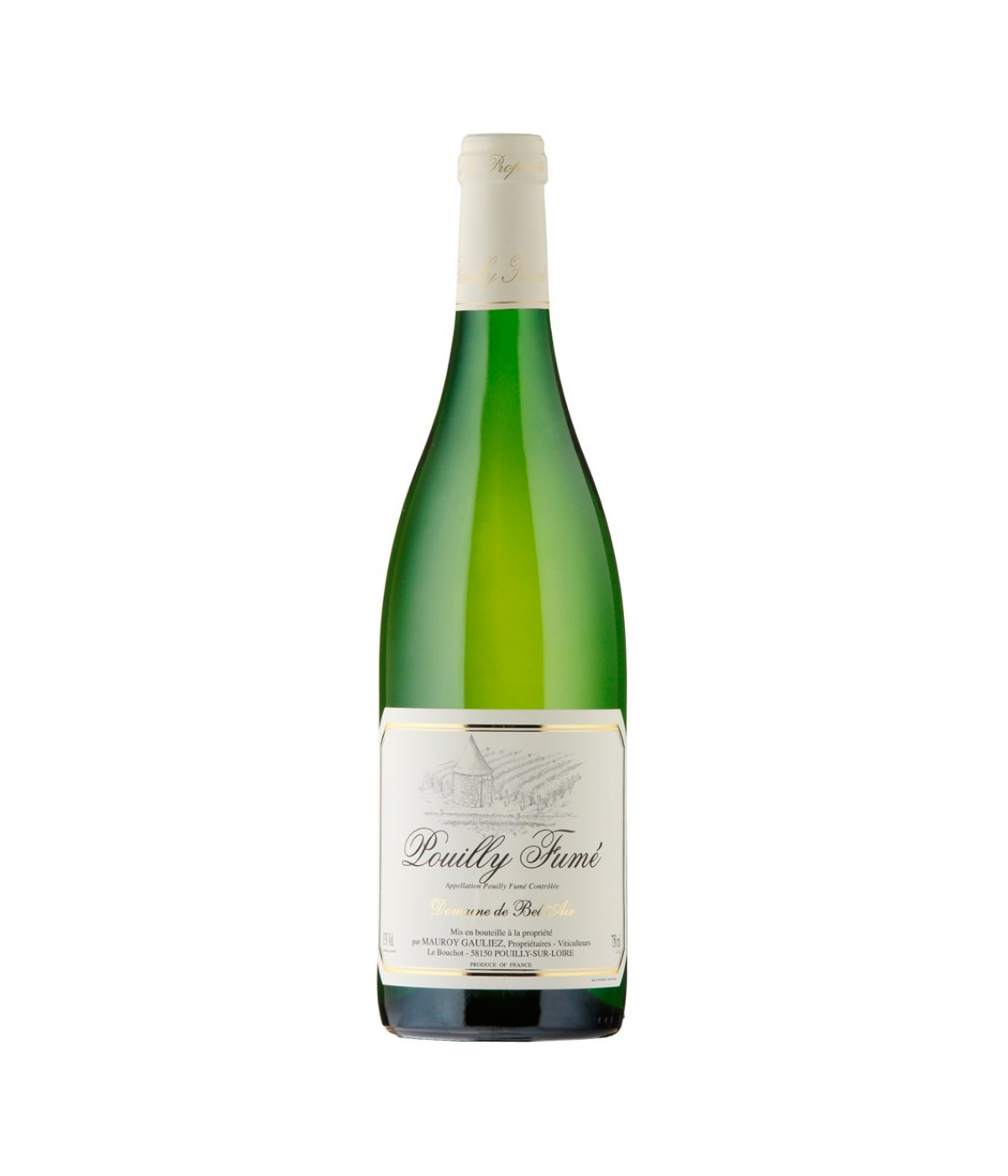
2023 Pouilly-Fumé, Domaine de Bel Air, Loire, France

£22.99 inc. VAT

The Domaine de Bel Air 2023 vintage in the Loire began with a cool and relatively rainy winter which replenished soil water reserves after the hot and dry 2022 vintage. The vineyards largely escaped the threat of spring frosts and flowering and fruit set took place under excellent dry and sunny conditions at the end of May. It was very dry during July and August and some welcome showers arrived in September and gave the vines a necessary boost to complete the final stages of ripening. The harvest began in mid-September and the quality of the fruit was excellent.

Add to basket

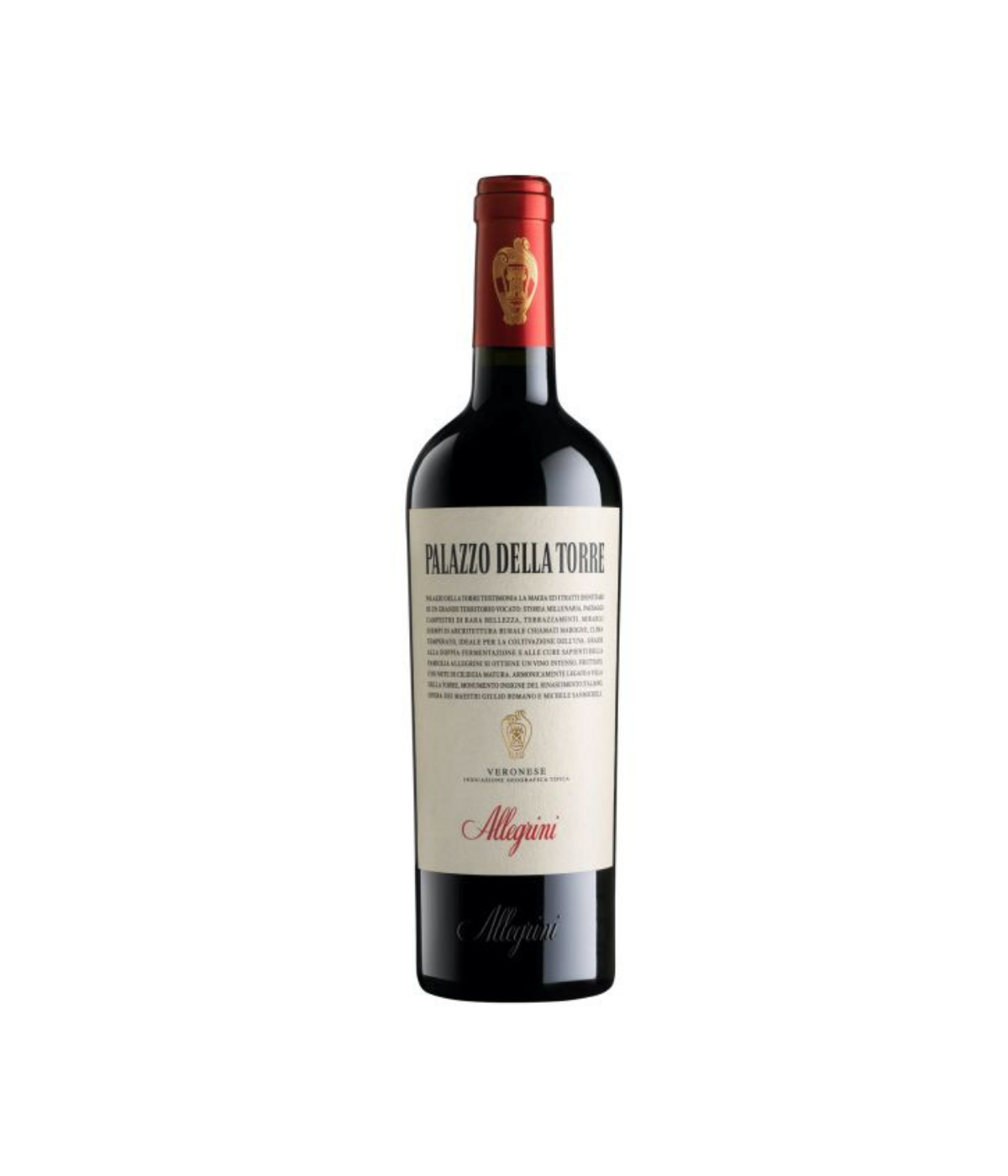
2021 `Palazzo della Torre`, Allegrini, Veneto, Italy

£21.00 inc. VAT

The 2021 vintage was marked by cool temperatures with a significant drop during April. These conditions led to a delay in budburst. As a result, the vegetative development of the vines consequently moved forward by 15-20 days compared to the previous year. In mid-September, some ‘providential’ rainfall was followed by a short summer, where temperature soared to 34-35°C and temperature variations of around 15°C. By harvest, the grapes had attained excellent phenolic ripeness, with crunchy berry flavours and elevated sugar concentrations. The loose (non-compact) bunches are particularly suitable for drying and were a factor that characterised this particular harvest.

Add to basket

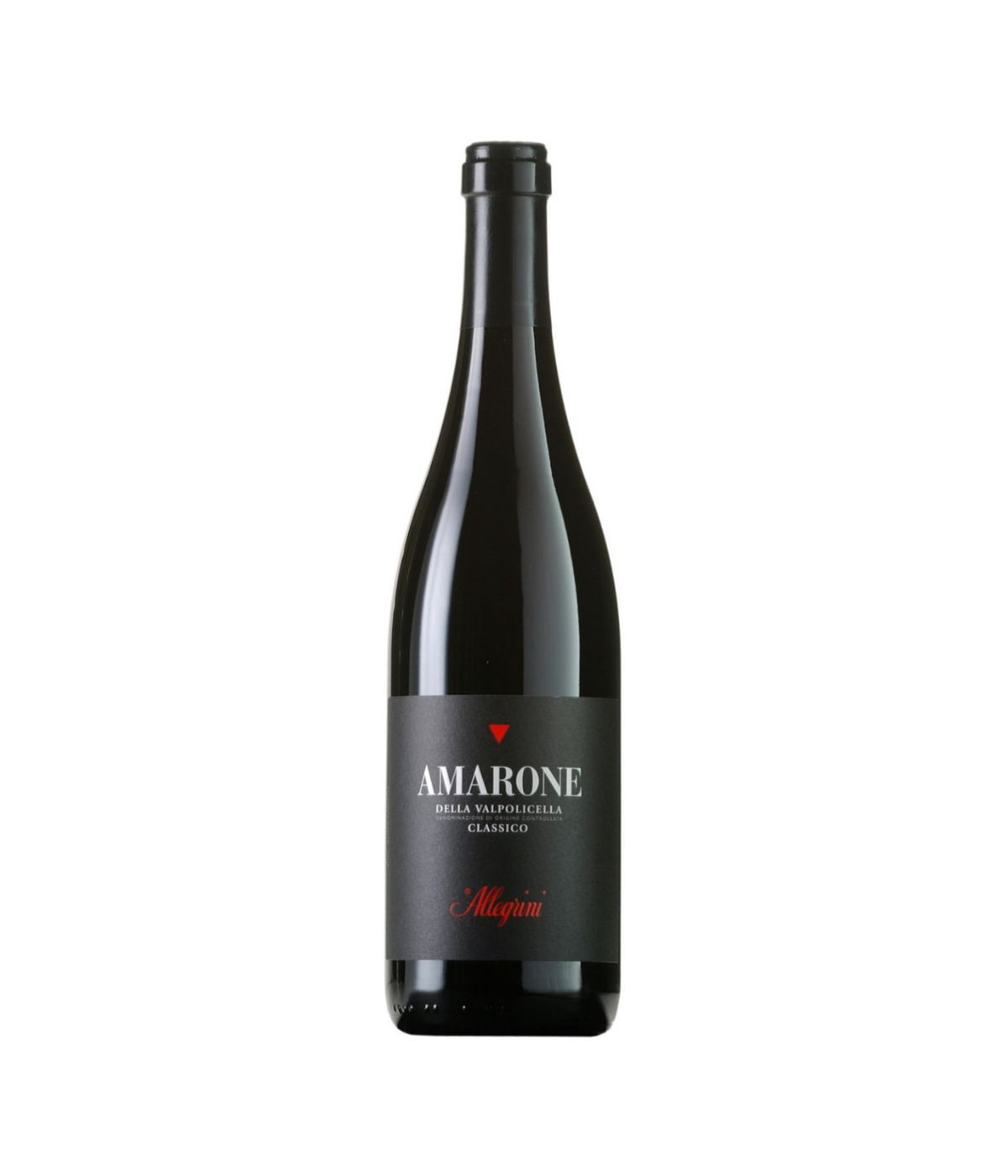
2020 Amarone della Valpolicella Classico, Allegrini, Italy

£67.50 inc. VAT

2020 was a challenging year, with the pandemic and adverse weather conditions in the region. Fortunately the Allegrini vineyards were spared from the violent weather that hit areas near to them in the province of Verona. There was some rain in summer that slowed the ripening process, however good weather in September favoured maturation. The harvest was extended, which made it possible to choose the best time to pick in every single plot, for every single variety. The 2020 fruit was of excellent quality.

The Allegrini family estate comprises 120 hectares of vineyard in the heart of Valpolicella Classico. Although the family has grown grapes here for several centuries, Giovanni Allegrini was the first to start bottling wines from the family’s vineyards. When he died in 1983, he passed his passion and commitment to quality winemaking onto his three children, Walter, Marilisa and Franco. Together, they worked to build on Giovanni’s quality ethos until Walter’s death in 2003. Franco looked after the vineyards and winemaking, while Marilisa continued to manage sales and marketing. From the 2007 vintage, Franco sacrificed the Valpolicella Classico classification by bottling the Allegrini wines under Stelvin to eliminate cork taint and reduce oxidation problems. Franco sadly passed away in 2022. He was an inspiring figure who led the way in Valpolicella’s quest for quality, forging a path many others have followed. In 2023, Franco’s sons Francesco, Giovanni and Matteo, alongside their cousin Silvia Allegrini (Walter’s daughter), became custodians of their family’s historic estate.

Add to basket

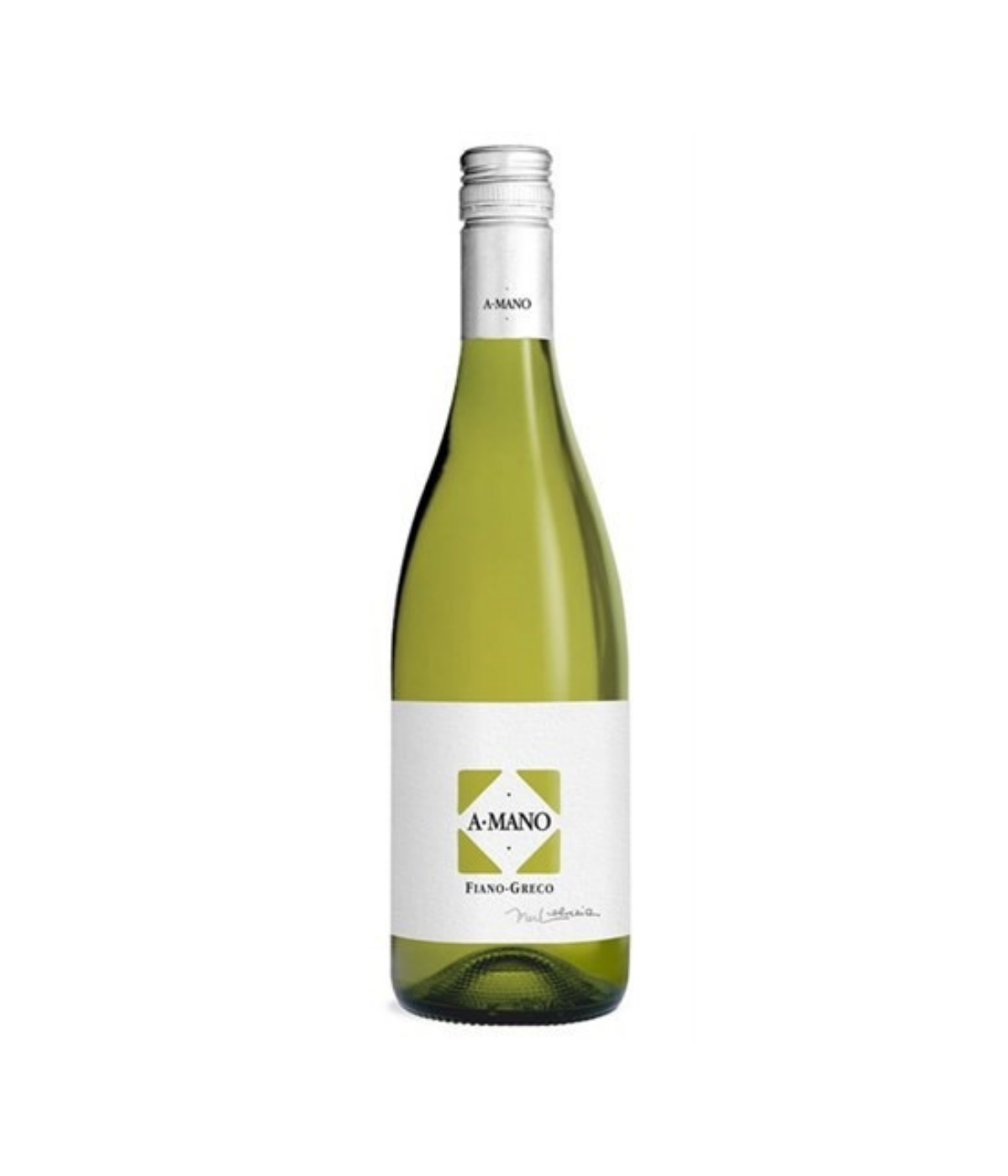
2023 Bianco, A Mano, Puglia, Italy

£14.75 inc. VAT

The 2023 vintage saw very little rainfall and a very hot summer. This meant extra care was needed in the vineyard to manage the health of the vines. Harvest timing was critical for preserving the freshness of the fruit, and was brought forward to account for the increased speed of ripening due to the hot weather.

Mark Shannon and his partner Elvezia Sbalchiero have revolutionised the style and calibre of Primitivo, turning it into one of Puglia’s most talked about grape varieties. They achieved this at A Mano, in Salento, by paying fair, high prices for the best possible grapes (sourced from 70 to 100-year-old vines) and focusing exclusively on quality, while crafting a modern style. As the old saying goes, where you lead others will follow.

The continued success of A Mano is at least partly attributable to the knowledge that Mark and Elvezia have gleaned from over 18 vintages in Puglia. Not only do they have access to Salento’s best grapes, but their growers have also realised that if they want the higher price paid by A Mano, they need to provide quality to match.

Add to basket

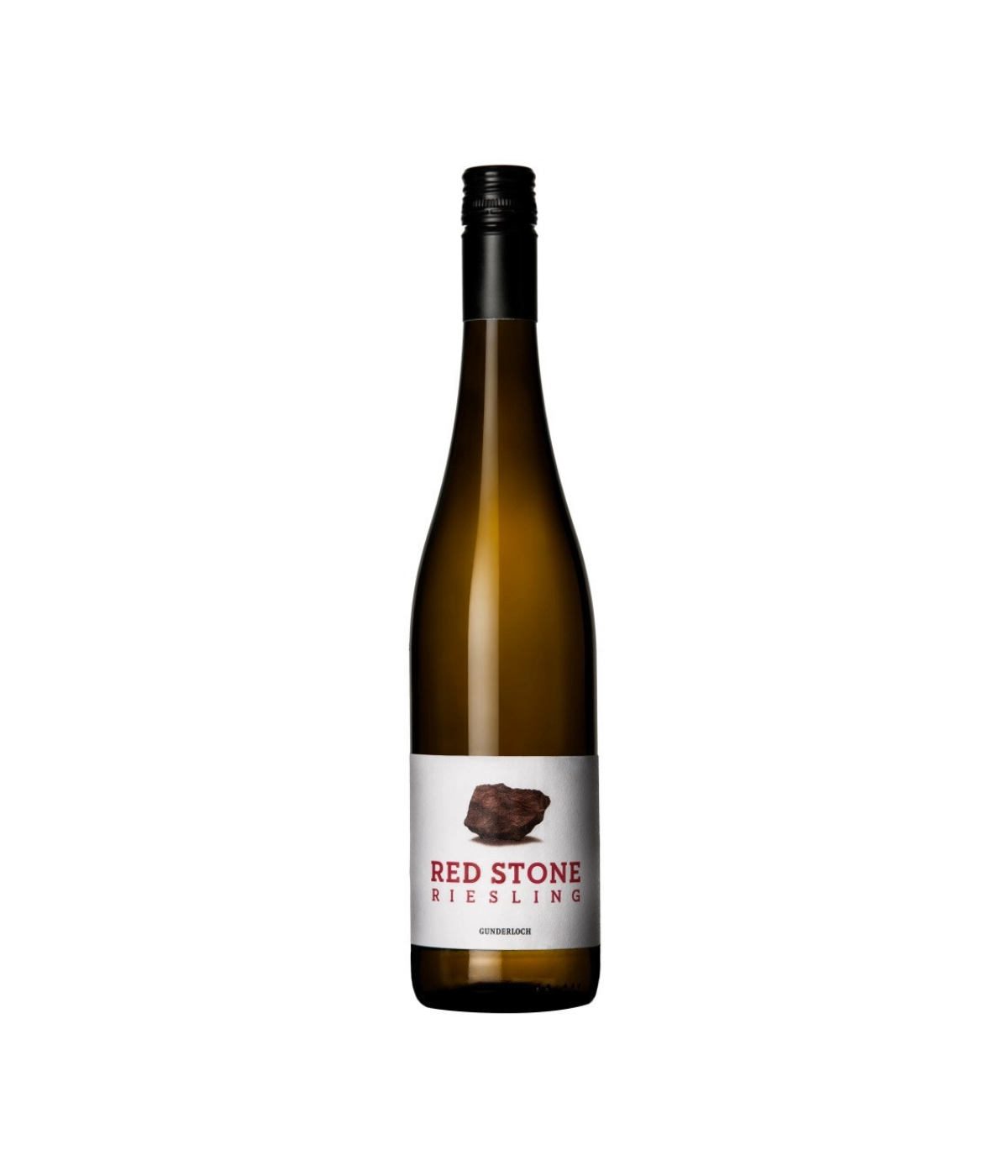
2023 `Redstone` Riesling, Gunderloch, Rheinhessen, Germany

Original price was: £18.50.Current price is: £16.00. inc. VAT

2023 was an excellent vintage in the Rheinhessen. A cool and wet winter ensured generous water replenishment in the soils. Flowering and the berry set occurred in flawless conditions throughout May and June, and some light water stress in July was beneficial to lower vineyard vigour. Late summer rains were managed with canopy management and crop thinning. Harvest started in mid-September, and fruit quality was exceptional with phenolic tension, concentred juice, and well-balanced acidities.

Gunderloch are one of the Rheinhessen’s most respected producers, known for their complex Rieslings derived from the distinctive, red soils of Roter Hang. Though the estate has over 130 years of history, including a pivotal role in the founding of the Verein Deutscher Prädikatsweingüter (VDP), its reputation has been shaped by a willingness to adapt in pursuit of continued quality. As sixth-generation winemaker Johannes Hasselbach explains, “this is an old estate with a long history, but we have to evolve because when nature changes, so do the wines”.

Gunderloch own 24-hectares of vines, most of which are concentrated in Roter Hang (the red hillside), which stretches from Nackenheim in the north to Nierstein in the south. The area, which overlooks the Rhine, takes its name from the distinctive iron-rich red soils formed over 280 million years ago. This combination of red slate, clay and limestone lends a distinctive character and complex minerality to the Riesling grown there. Their Roter Hang vineyards include several Grosses Gewächs shared with producers such as Weingut Keller, including ‘Rothenberg’, ‘Hipping’ and ‘Pettenthal’.

Since taking over from his parents in 2016, Johannes has developed Gunderloch’s viticultural practices, achieving organic certification in 2022. Johannes has put significant focus on improving soil health. The vineyards are now low-tilled with native cover crops planted between rows and solar-powered drones are used to apply biodynamic tea preparations without compacting the earth. In the solar-powered winery, Johannes takes a low-intervention approach to enhance site expression. The ‘pied de cuve’ is cultivated in both the vineyard and cellar, and skin maceration is utilised, with ageing in old oak and cement eggs (particularly on the Grosses Gewächs wines), to bring out the natural phenolics of the fruit.

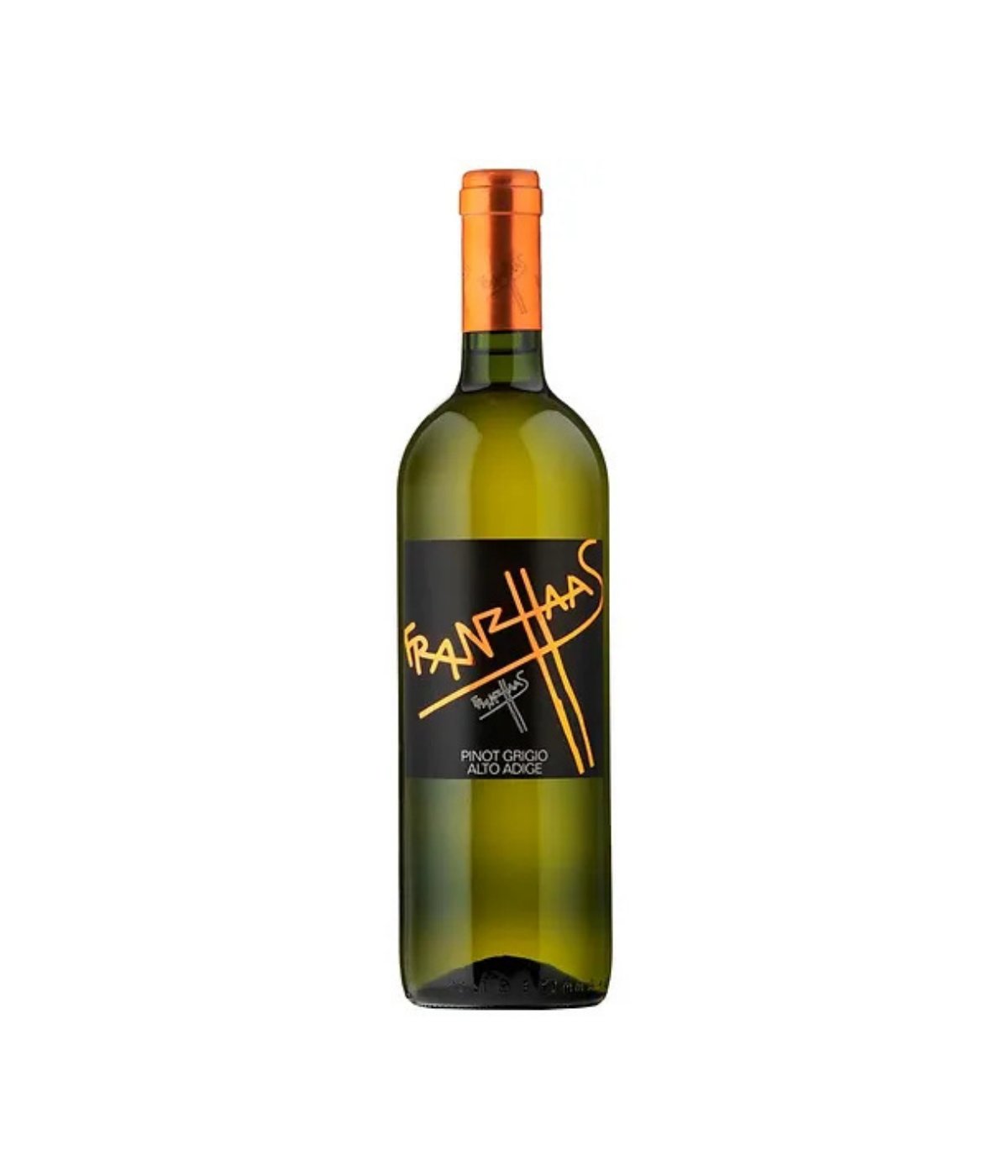
2023 Dolomiti Pinot Grigio, Franz Haas, Trentino-Alto Adige, Italy

£15.50 inc. VAT

The Haas family has been growing grapes in Montagna, within the province of Bolzano, for generations. However, it was only with Franz, who died prematurely in 2022, that they began to produce and bottle quality wines. Franz studied at Geisenheim in Germany before working as a broker of Italian wines in the German market. After several years, he took over the running of the family business.

Franz Haas went to tremendous lengths to grow quality grapes and strived to preserve the flavours of the fruit during winemaking. As a result, the wines that he produces are infused with great character, purity and balance on the palate. To maintain the aromatic quality of his wines, Franz Haas bottled his entire production under screwcap from the 2018 vintage onwards. A revolutionary choice, as he was one of the first Italian wine producers to have done so.

His Pinot Nero is one of Italy’s best. It is light in colour yet bursting with varietal character on both the nose and palate, with a lovely tannic structure. Of his whites, the Pinot Grigio is classic and fresh, and the ‘Lepus’ is an excellent expression of Pinot Bianco. The flagship wine is the ‘Schweizer’ Manna, which comprises a blend of Riesling, barrel-fermented Chardonnay, Gewürztraminer, Kerner and barrel-fermented Sauvignon Blanc. Rich and complex with abundant ageing potential, it stands among Italy’s finest white wines. The aromatic quality of the Riesling and Gewürztraminer shines through in the glass, complemented by depth and texture achieved through a subtle use of oak on the Chardonnay and Sauvignon Blanc.

Add to basket

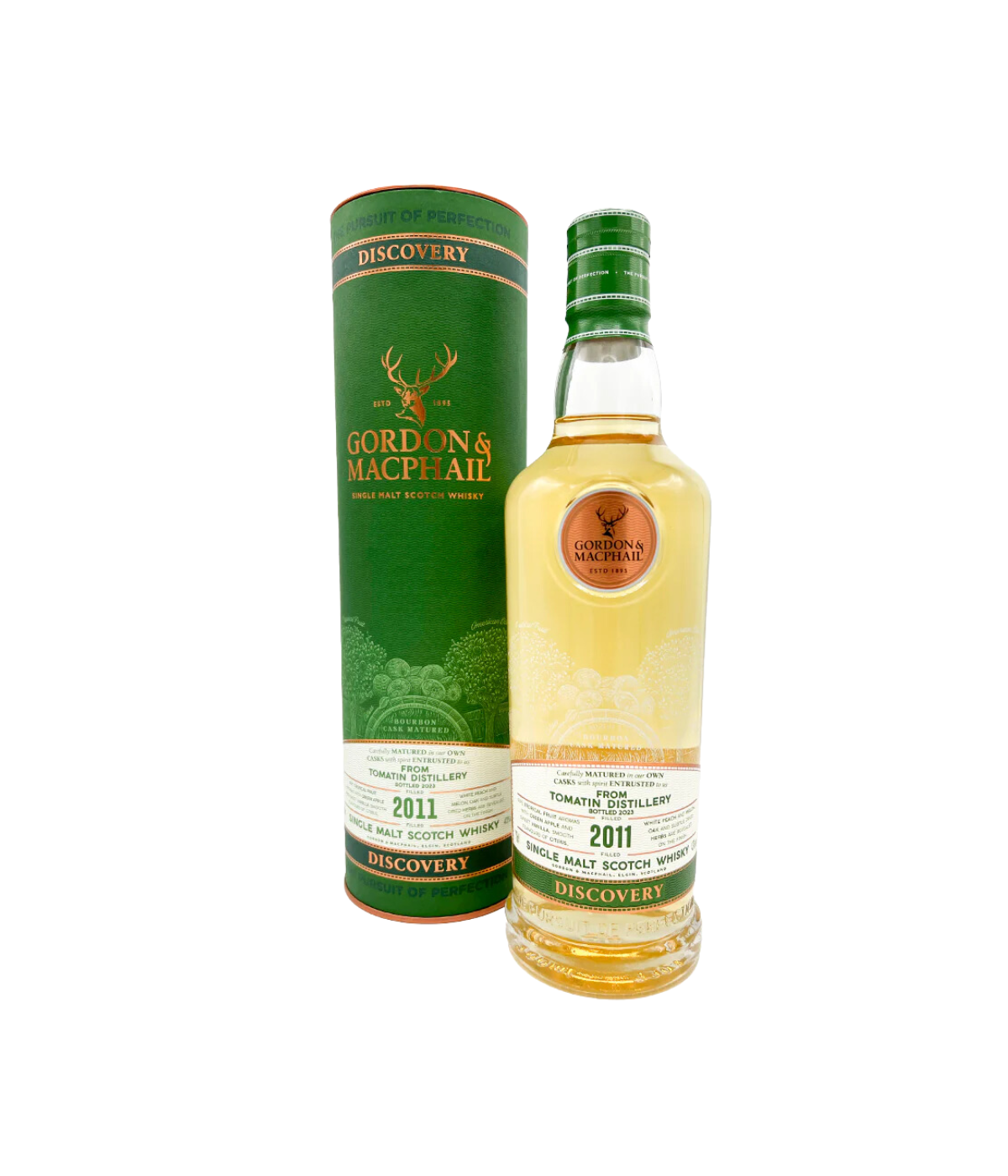
Tomatin 2011

£49.99 inc. VAT

Cask Type Bourbon

Colour Lightest Yellow

Aroma Ripe tropical fruits combine with green apple and tangerine. Lemon peel and roasted peanuts give way to soft vanilla.

Taste Smooth pear and underlying citrus complements white peach. Malted biscuit notes and melon are balanced by black pepper.

Finish Medium-bodied finish with mature oak and subtle dried herbs.

Add to basket

Mortlach 15 Year Old

£79.99 inc. VAT

Cask Type First fill & refill Sherry casks

Colour Dark Gold.

Aroma Distinctly malty initially with fresh aromas of a woodland hedgerow. Delicate Sherry notes linger and weave with rich indulgent toffee, sweet liquorice, and orange marmalade.

Taste Reminiscent of a Black Forest cake; the initial sweetness develops into fruity blackcurrant jam, maraschino cherry, and creamy vanilla. Freshly peeled orange notes add a fresh lift.

Finish Well rounded; hints of candied citrus fruits and oak complement the lingering malty edge.

Clase Azul Mezcal San Luis

Original price was: £375.00.Current price is: £355.00. inc. VAT

The third mezcal release from the iconic Clase Azul pays homage to the San Luis Potosí region, capturing its essence in both flavor and design. The bottle itself is a tribute to the desert valleys and rugged terrain that define this unique area.

Crafted from green agave, a native plant thriving in the deserts of San Luis Potosí, this mezcal offers an alluring profile. Experience a rich, earthy bouquet that evolves into notes of dried fruit, delicate smokiness, and a touch of citrus zest. The finish is smooth, with a subtle warmth and hint of spice.

The decanter is as captivating as the mezcal it holds. Each ceramic bottle is a handmade masterpiece, reflecting the stunning desert landscapes of mountains and valleys, adorned with vibrant red finches. The cap, created using a traditional yarn applique technique, is individually crafted by Mexican artisans, requiring over three hours of dedicated artistry for every piece.

Add to basket

Online Sports Nutrition and Natural Dietetics.

Chances are there wasn't collaboration, communication, and checkpoints, there wasn't a process agreed upon or specified with the granularity required. It's content strategy gone awry right from the start. Forswearing the use of Lorem Ipsum wouldn't have helped, won't help now. It's like saying you're a bad designer, use less bold text, don't use italics in every other paragraph. True enough, but that's not all that it takes to get things back on track.

The villagers are out there with a vengeance to get that Frankenstein

You made all the required mock ups for commissioned layout, got all the approvals, built a tested code base or had them built, you decided on a content management system, got a license for it or adapted:

  • The toppings you may chose for that TV dinner pizza slice when you forgot to shop for foods, the paint you may slap on your face to impress the new boss is your business.
  • But what about your daily bread? Design comps, layouts, wireframes—will your clients accept that you go about things the facile way?
  • Authorities in our business will tell in no uncertain terms that Lorem Ipsum is that huge, huge no no to forswear forever.
  • Not so fast, I'd say, there are some redeeming factors in favor of greeking text, as its use is merely the symptom of a worse problem to take into consideration.
  • Websites in professional use templating systems.
  • Commercial publishing platforms and content management systems ensure that you can show different text, different data using the same template.
  • When it's about controlling hundreds of articles, product pages for web shops, or user profiles in social networks, all of them potentially with different sizes, formats, rules for differing elements things can break, designs agreed upon can have unintended consequences and look much different than expected.

This is quite a problem to solve, but just doing without greeking text won't fix it. Using test items of real content and data in designs will help, but there's no guarantee that every oddity will be found and corrected. Do you want to be sure? Then a prototype or beta site with real content published from the real CMS is needed—but you’re not going that far until you go through an initial design cycle.