Rose
Filter by price
Stock status
Showing all 6 resultsSorted by latest
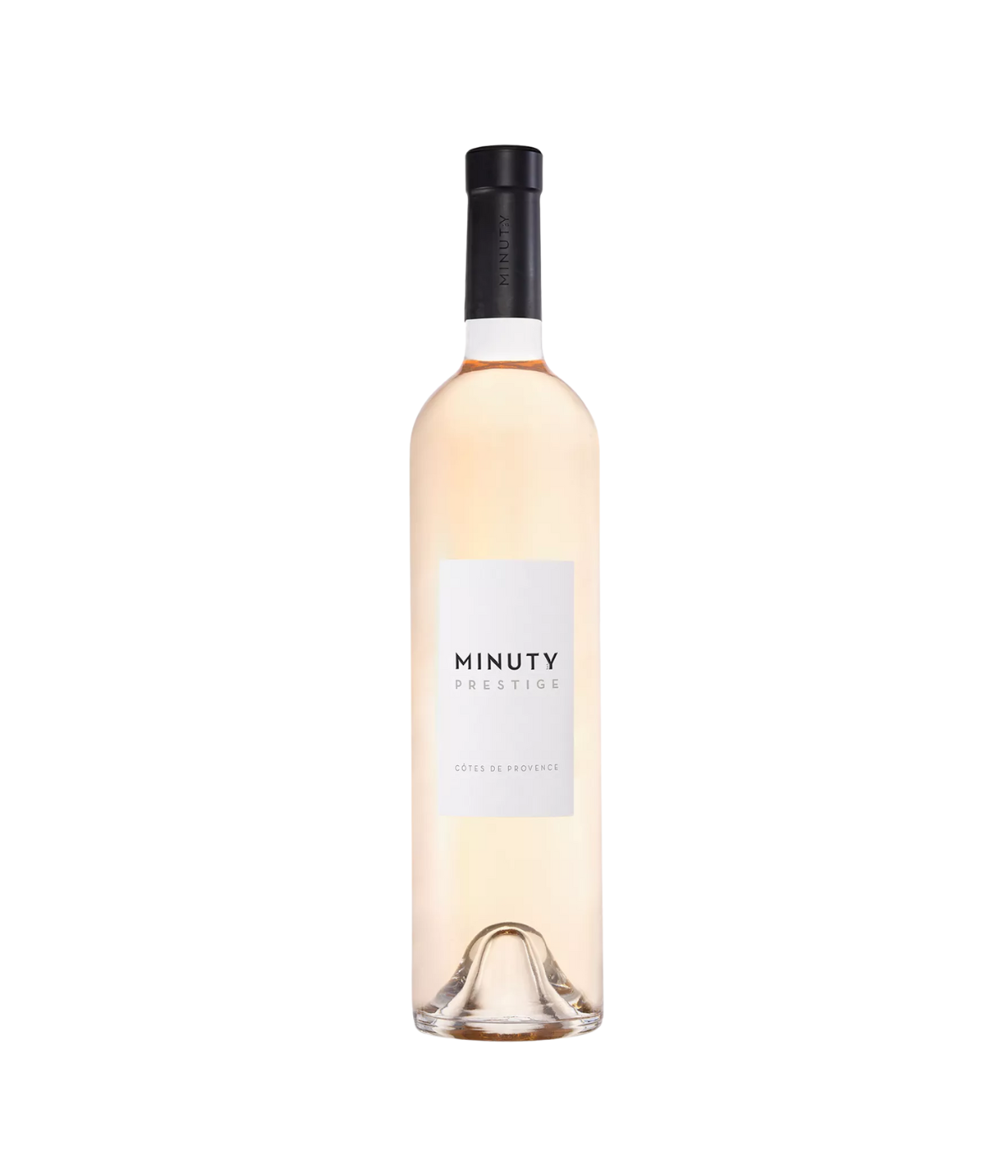
Minuty Prestige
Created over 25 years ago, this cuvée embodies the vision of Jean-Etienne and François Matton: to offer a wide audience of lovers of Provençal rosés an authentically Provençal wine, where aromatic richness blends with a light and refined palate. The result of an in-depth knowledge of the terroirs of Provence, this wine reflects the balance between power and finesse.
ASSEMBLING
Grenache 70%, Syrah 15%, Rolle 10%, Cinsault 5%
CHARACTER
Frank, straight, mineral.
TERROIR
AOP Côtes de Provence. Grapes from a selection of Provence terroirs and certain plots on the Estate.
M de Minuty
Produced by Château Minuty, one of the most prestigious producers in Provence, M de Minuty is a refreshing and elegant rosé wine from the heart of the Côtes de Provence region. The estate, which has been family-owned for over 80 years, is known for producing wines that express the true essence of the Mediterranean terroir.
This rosé is a blend of Grenache, Cinsault, and Syrah, resulting in a pale pink wine with delicate aromas of citrus fruits, white flowers, and a hint of ripe red berries. On the palate, it is crisp and refreshing, with bright acidity and a smooth, well-rounded finish.
With an alcohol content of around 12.5%, M de Minuty is a versatile wine that pairs beautifully with light seafood dishes, fresh salads, grilled vegetables, or simply enjoyed on a warm afternoon as an aperitif.
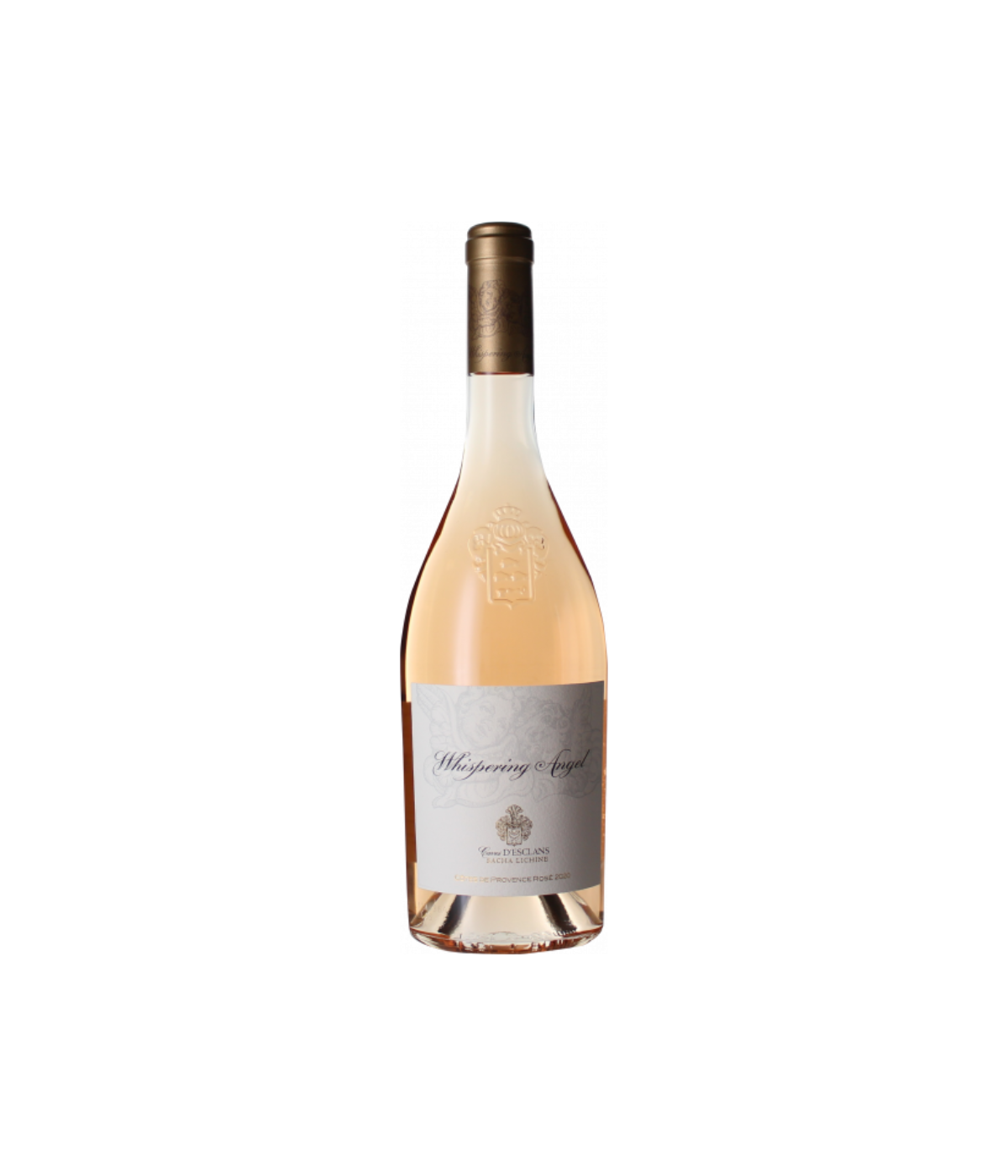
Whispering Angel Rosé
Winemaker Sacha Lachine is a master of producing quality rosé. In 2006, he took over Caves d’Esclans with a vision to create some of the world’s greatest wine. Whispering Angel is the figurehead of the chateau. This iconic wine has a wealth of awards behind it, and it’s clear to see why. It has fresh notes of apple, pink grapefruit, peach and cream, and a long, smooth finish.
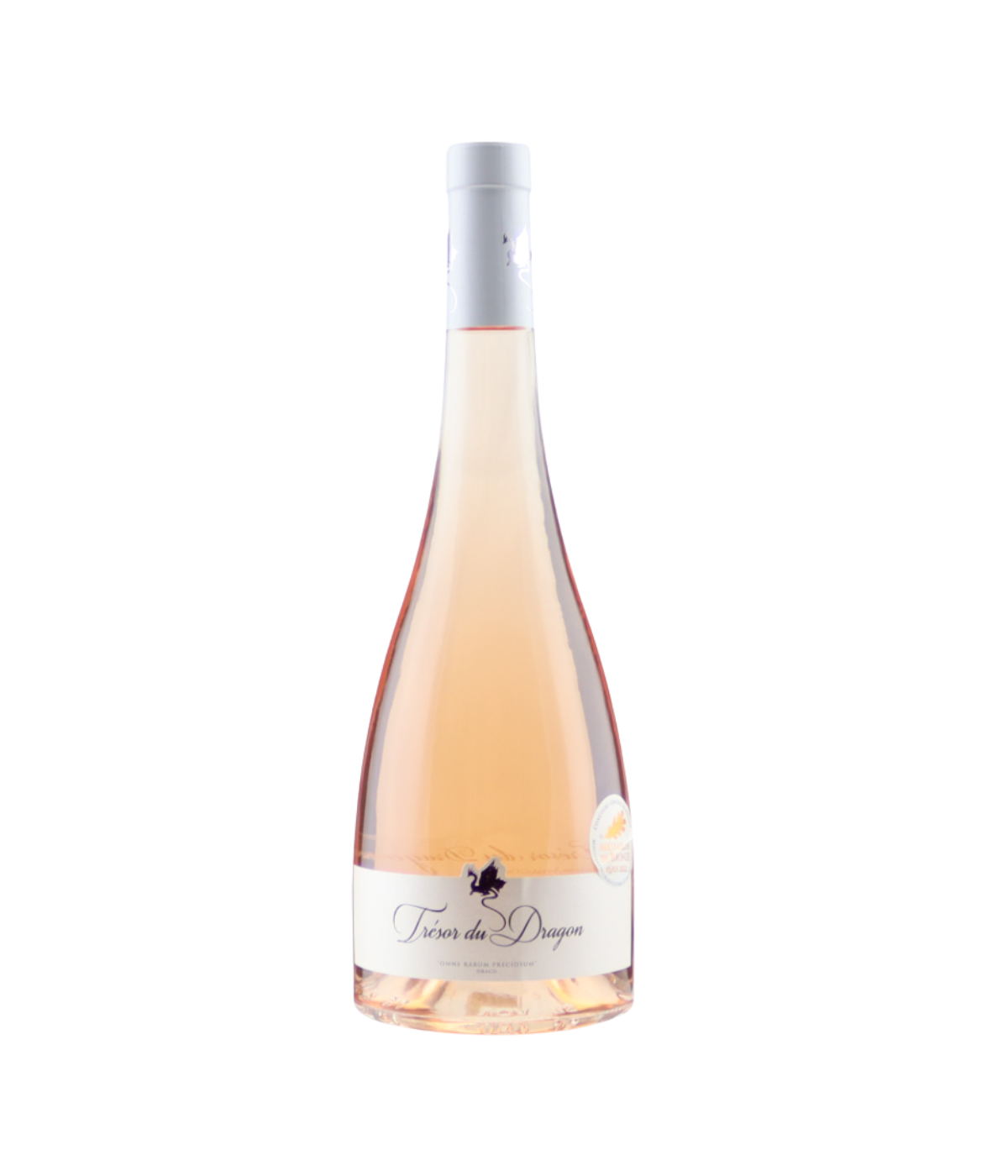
2023 Côtes de Provence Rosé Trésor de Dragon
Produced by Domaine du Dragon, a family-owned estate located in the hills near Saint-Tropez, this rosé is a true expression of Provence. The name “Trésor de Dragon” is inspired by local legend, where a bishop saved villagers from a dragon.
This rosé is a blend of Grenache (67%), Cinsault (20%), and Syrah (13%), showcasing the best of the region’s Mediterranean terroir. It has a pale pink colour, with an aroma of ripe red fruits, particularly strawberries, alongside subtle hints of apricot and spices. On the palate, it is lively and well-balanced, offering flavours of strawberry, apricot, citrus, and sweet spice, finishing with a refreshing citrus note.
With its round, dense texture and vibrant acidity, this wine is a perfect match for Mediterranean dishes such as grilled fish, seafood pasta, or fresh salads.
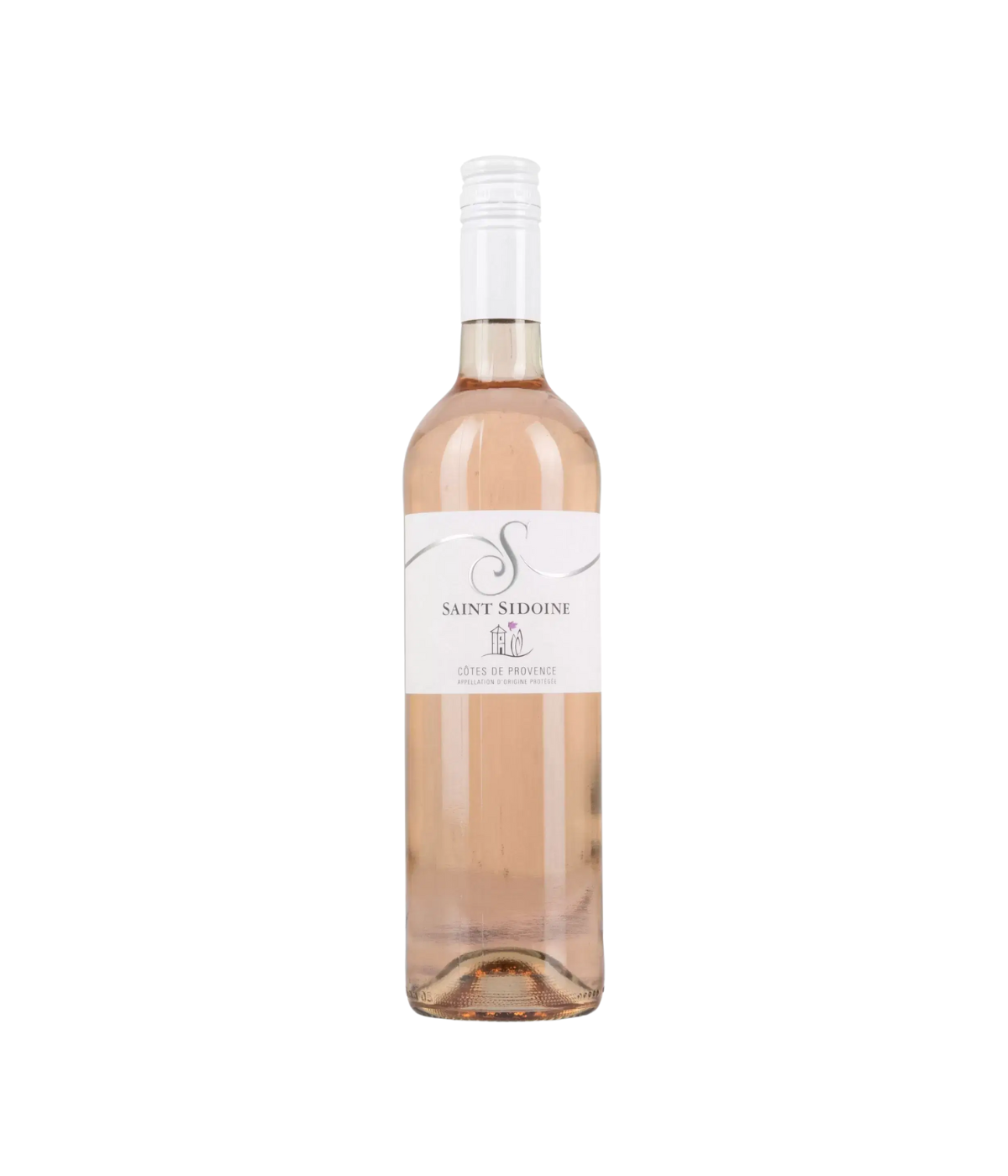
2023 Saint Sidoine Côtes de Provence Rosé
Produced by Cellier Saint Sidoine, a cooperative winery located in Puget-Ville, Provence, France, this rosé is a classic example of the region’s elegance and finesse. The cooperative, originally founded in the early 1920s and renamed in 1987, cultivates vineyards that date back to the 11th century, surrounded by the stunning local tower of Sidoine.
This rosé is crafted from traditional Provençal grape varieties, including Grenache, Cinsault, Syrah, and Carignan. It presents a pale pink hue with delicate aromas of small red fruits and citrus. On the palate, it is fresh and dry, offering soft strawberry fruit and a hint of honeysuckle, finishing with a clean, refreshing note.
With an alcohol content of 13%, this rosé pairs wonderfully with Mediterranean dishes, Asian cuisine, or simply enjoyed as a refreshing aperitif.
2023 Les Coteaux du Rhône Méditerranée Rosé
Produced by La Cave Les Coteaux du Rhône, a historic cooperative founded in 1926 near the medieval village of Sérignan-du-Comtat in the southern Rhône Valley, this elegant rosé showcases the character and sunshine of the Mediterranean.
Crafted from Grenache and Syrah grapes grown near the Rhône River, the wine displays a delicate pale pink colour. On the nose, it offers aromas of rose petals and wild red berries. The palate is light, refreshing, and delicately fruity, finishing with a clean, crisp edge.
With an alcohol content of 12.5%, it’s a perfect choice for warm afternoons or as a food-friendly wine. It pairs wonderfully with shellfish, lean fish, summer salads, light appetisers, or simply enjoyed as an aperitif.
Online Sports Nutrition and Natural Dietetics.
Chances are there wasn't collaboration, communication, and checkpoints, there wasn't a process agreed upon or specified with the granularity required. It's content strategy gone awry right from the start. Forswearing the use of Lorem Ipsum wouldn't have helped, won't help now. It's like saying you're a bad designer, use less bold text, don't use italics in every other paragraph. True enough, but that's not all that it takes to get things back on track.
The villagers are out there with a vengeance to get that Frankenstein
You made all the required mock ups for commissioned layout, got all the approvals, built a tested code base or had them built, you decided on a content management system, got a license for it or adapted:
- The toppings you may chose for that TV dinner pizza slice when you forgot to shop for foods, the paint you may slap on your face to impress the new boss is your business.
- But what about your daily bread? Design comps, layouts, wireframes—will your clients accept that you go about things the facile way?
- Authorities in our business will tell in no uncertain terms that Lorem Ipsum is that huge, huge no no to forswear forever.
- Not so fast, I'd say, there are some redeeming factors in favor of greeking text, as its use is merely the symptom of a worse problem to take into consideration.
- Websites in professional use templating systems.
- Commercial publishing platforms and content management systems ensure that you can show different text, different data using the same template.
- When it's about controlling hundreds of articles, product pages for web shops, or user profiles in social networks, all of them potentially with different sizes, formats, rules for differing elements things can break, designs agreed upon can have unintended consequences and look much different than expected.
This is quite a problem to solve, but just doing without greeking text won't fix it. Using test items of real content and data in designs will help, but there's no guarantee that every oddity will be found and corrected. Do you want to be sure? Then a prototype or beta site with real content published from the real CMS is needed—but you’re not going that far until you go through an initial design cycle.