Red Wine

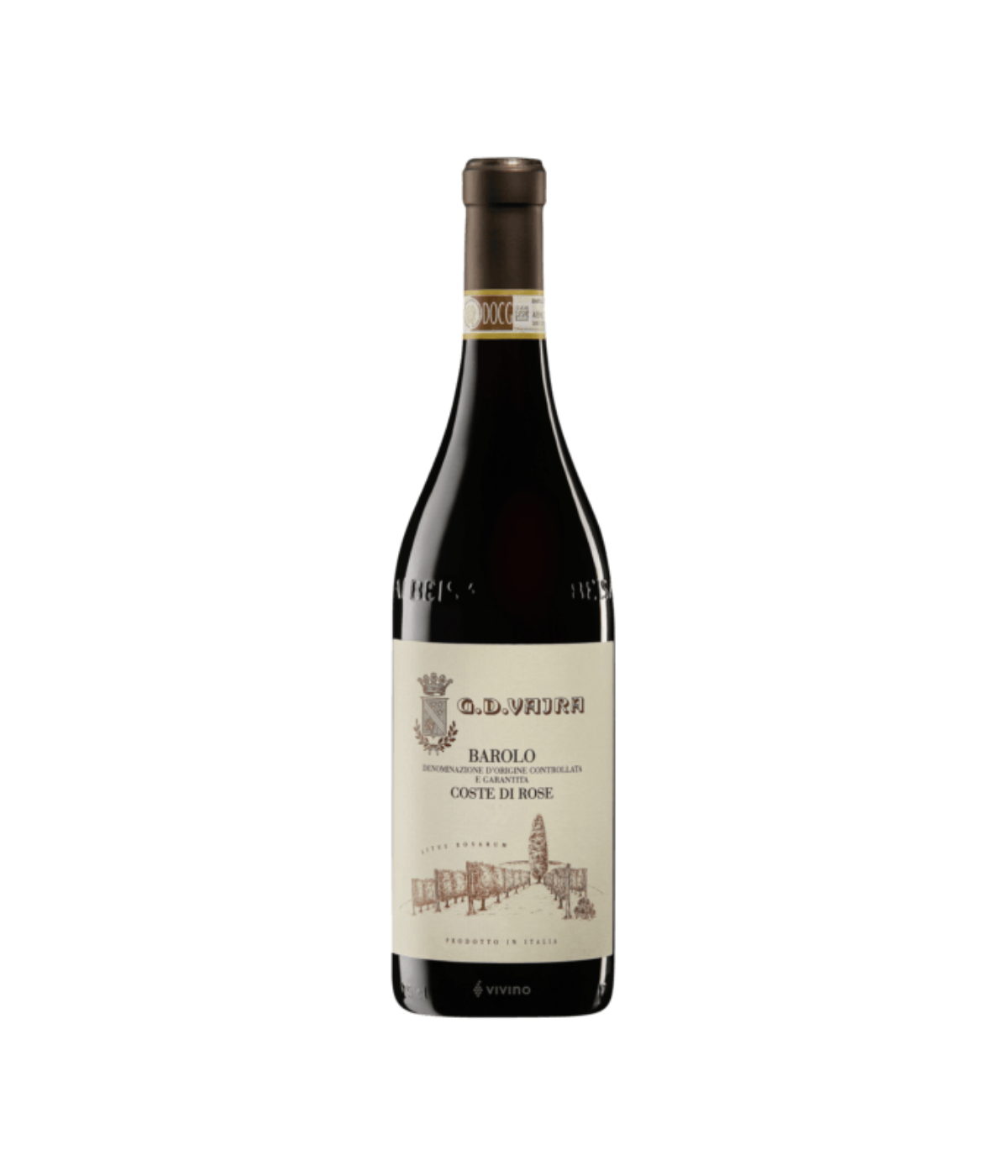
2020 Barolo `Coste di Rose`, G.D. Vajra, Piemonte, Italy

£55.00 inc. VAT

This wine is dark ruby in colour. On the nose, there are intense aromas of cherry and rose with hints of amarena, wild berries, wet stone, mint and thyme. The palate is full-bodied, radiant and expressive with ripe tannins and a long, smooth finish.

2018 was marked by copious flowering, gradual ripening and one of the latest harvests of the past decade. The rainfall was abundant, especially in May, providing strong water reserves for the growing period. Harvesting of Nebbiolo took place at the end of October. The late harvest meant that the grapes were able to ripen at their own, gradual pace, developing complex varietal characteristics and red-fruit aromas. It is a favourable year for the best exposed sites and for high elevation and well-ventilated vineyards. The wines are fragrant with fine tannins and a balance reminiscent of 2004.

Add to basket

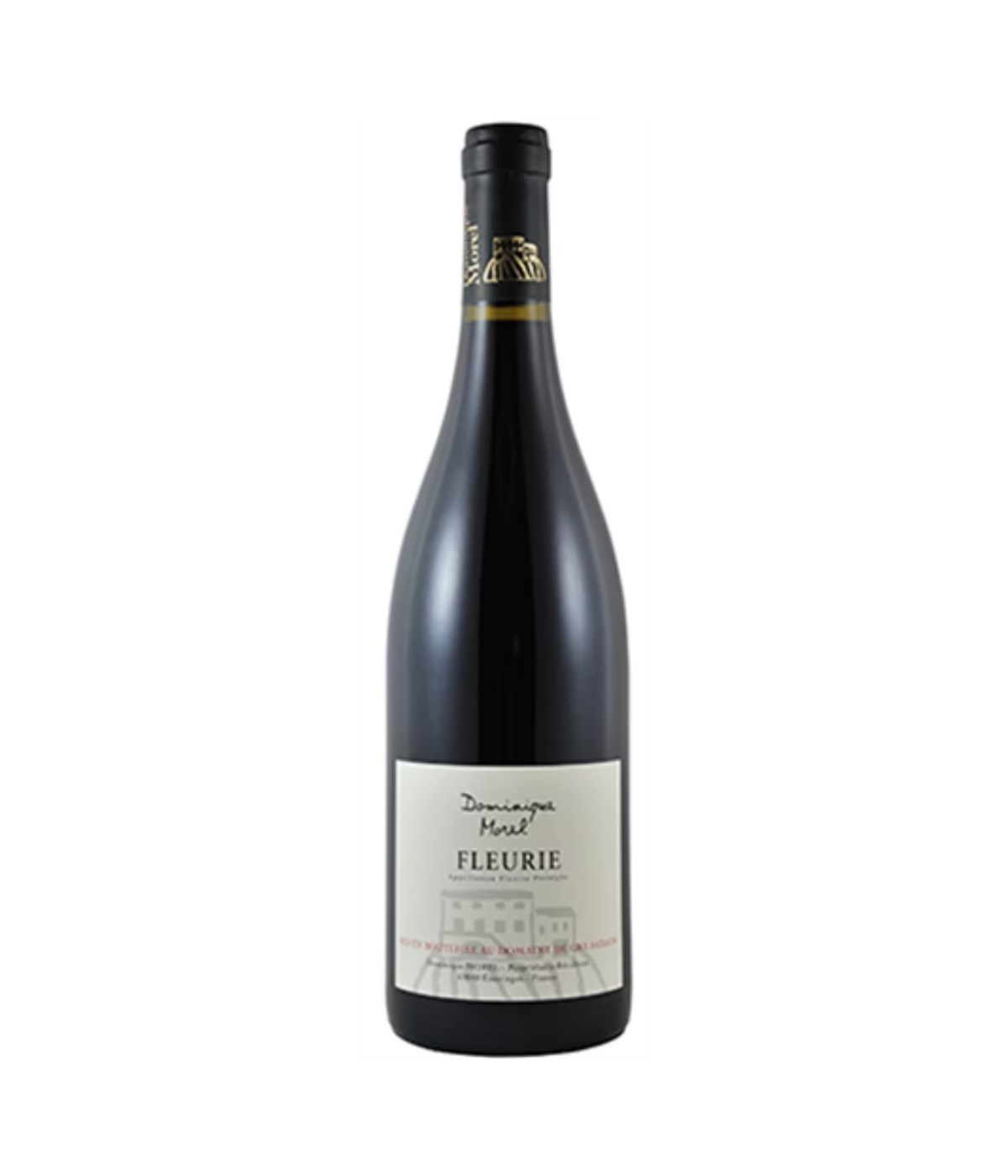
2023 Fleurie, Dominique Morel, Beaujolais, France

£20.00 inc. VAT

This wine has fragrant violet and red fruit aromas on the nose and a palate bursting with bright fruit and supple tannins. It is an elegant wine with a long, persistent finish, and the typical delicacy of the Fleurie appellation.

The 2023 vintage in Beaujolais was generally a very warm year, reminiscent of 2015, 2020 and 2022. Yields were lower than usual due to frost issues in the spring. However, it was a case of quality over quantity, with a small harvest of exceptional fruit with great concentration of flavour. Harvest began at the end of August.

Add to basket

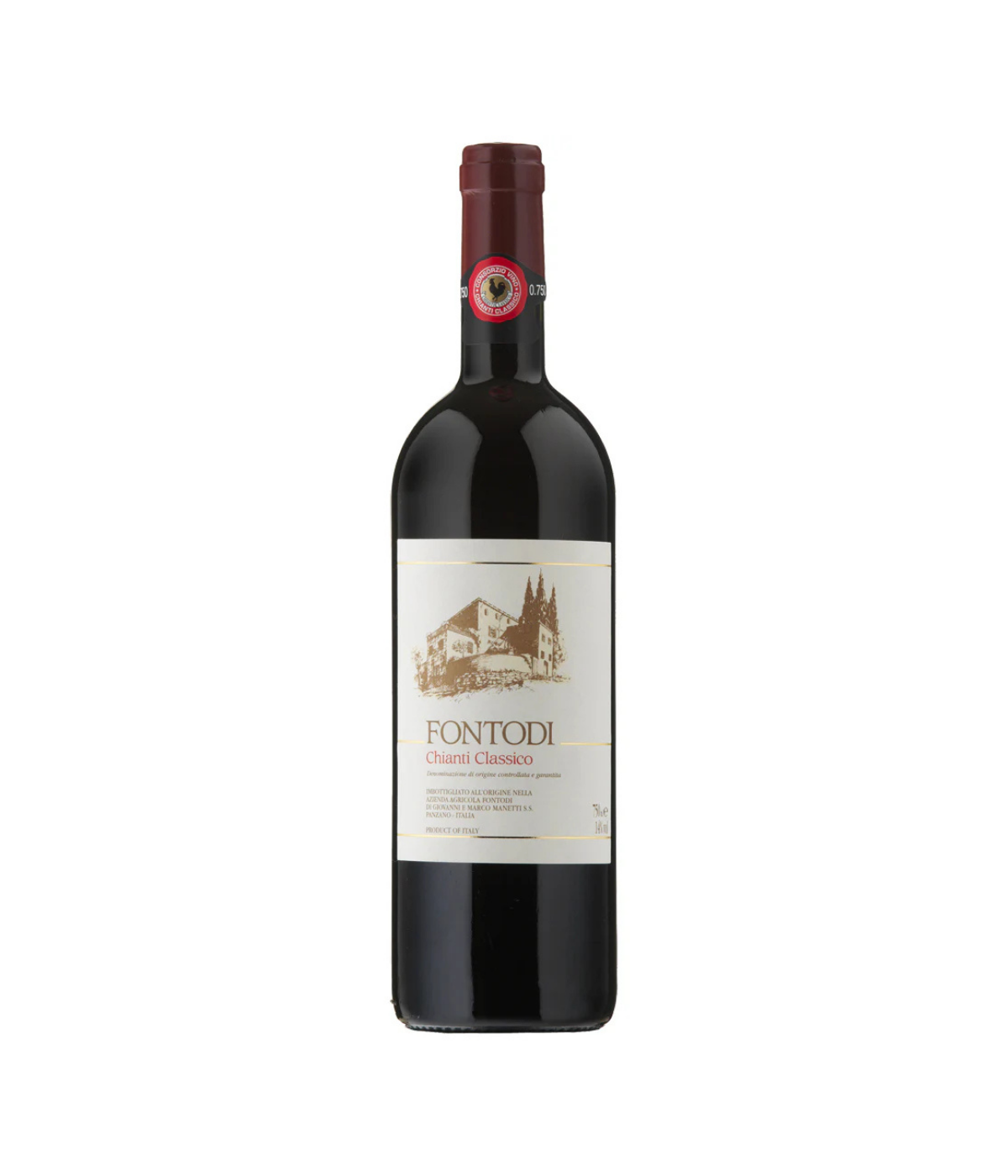
2021 Chianti Classico, Fontodi, Tuscany, Italy

£30.00 inc. VAT

Deep ruby red in colour, this wine has aromas of ripe plum and sour cherry, with notes of tobacco and leather from oak ageing. On the palate, it has great depth of flavour, with juicy fruit and supple tannins giving way to a silky-smooth texture. This Chianti Classico has superb structure and finishes with a fine mineral note.

For Fontodi, the continued rainfall set the region up to thrive in a very hot summer, ensuring vines had sufficient water reserves. Hot days and cool nights allowed for optimal ripening and grapes with lively acidity and elegant and complex aromas. A hard but rewarding vintage that produced excellent quality wines with intricate complexity.

Add to basket

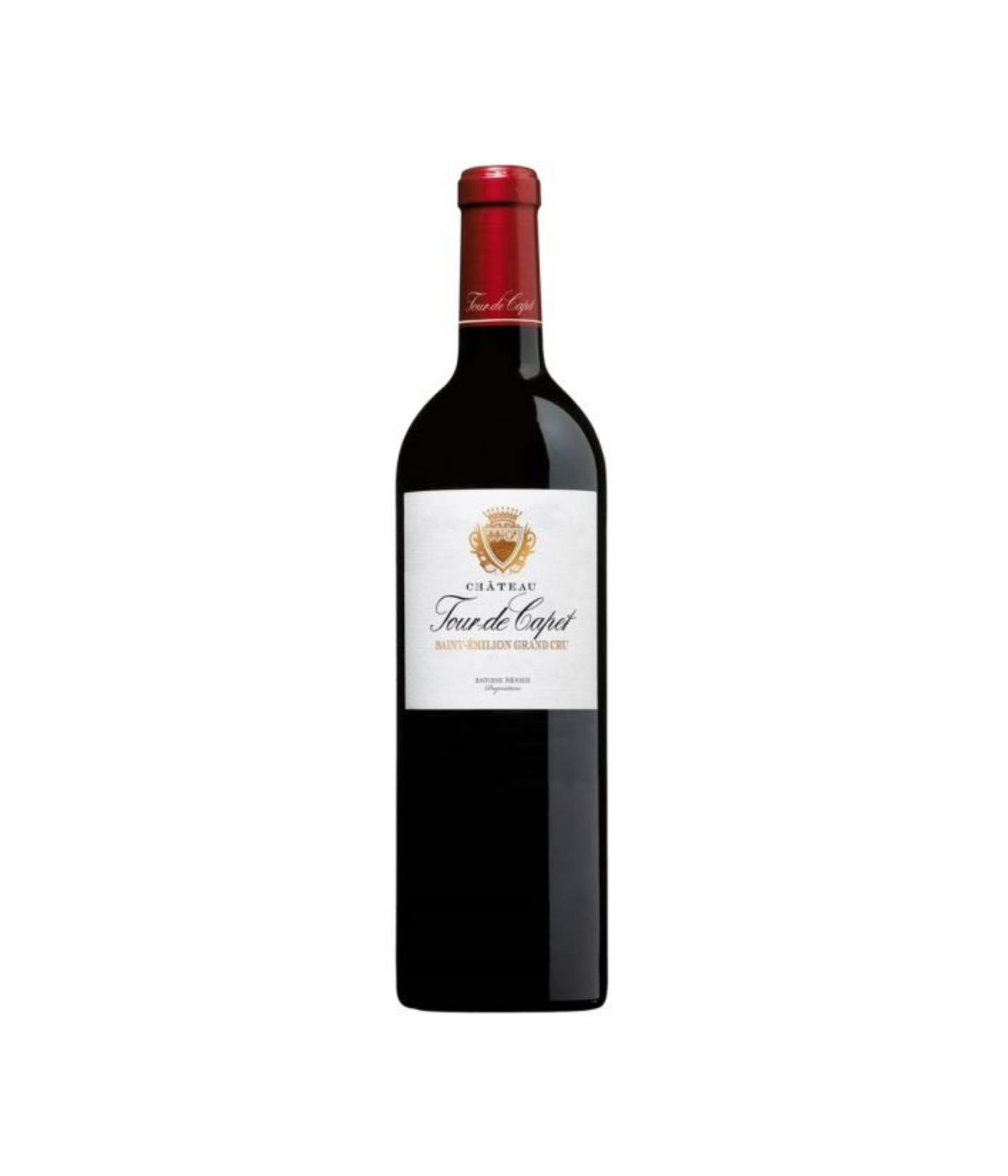
2020 Saint-Émilion Grand Cru, Château Tour de Capet, Bordeaux, France

£27.50 inc. VAT

Château Tour de Capet lies to the south of Saint-Émilion, near Saint-Hippolyte, just below its sister estate Château Capet-Guillier. Since 2009 the property has been run by Antoine Moueix Propriétés, a négociant with over a century’s experience working in Bordeaux’s Right Bank. The wine is made by Christophe Grenier and benefits from the immense experience of renowned winery consultant Stéphane Derenoncourt.

Château Tour de Capet comprises 10 hectares of vines planted on a combination of sand, loam and clay which, combined with the loose structure of the soil, lends itself to a lighter style of Bordeaux. The estate’s vineyards are also farmed using a ‘zero residue’ policy which prohibits the use of herbicides.

The final wine is a blend of 90% Merlot with 10% Malbec fermented in concrete tanks with four to five days of skin maceration, aided by regular punch downs. Aged for 12 months in French oak, around one-third of which is new, Château Tour de Capet perfectly marries dark berry flavours with subtle hints of tobacco and spice, balanced on the palate by vibrant acidity and velvety tannins.

Add to basket

2020 Gevrey-Chambertin, Domaine du Château Philippe le Hardi, Burgundy, France

Original price was: £74.50.Current price is: £66.98. inc. VAT

2020 was an incredibly hot vintage in the Cote d’Or. Winter was mild followed by an early budburst in the spring. The heat continued through the summer with drought being a challenge, as a result verasion also came early. The end of season storms did alleviate some of the troubles and so the grapes produced were of good quality with wines providing surprising freshness considering the heat.

Add to basket

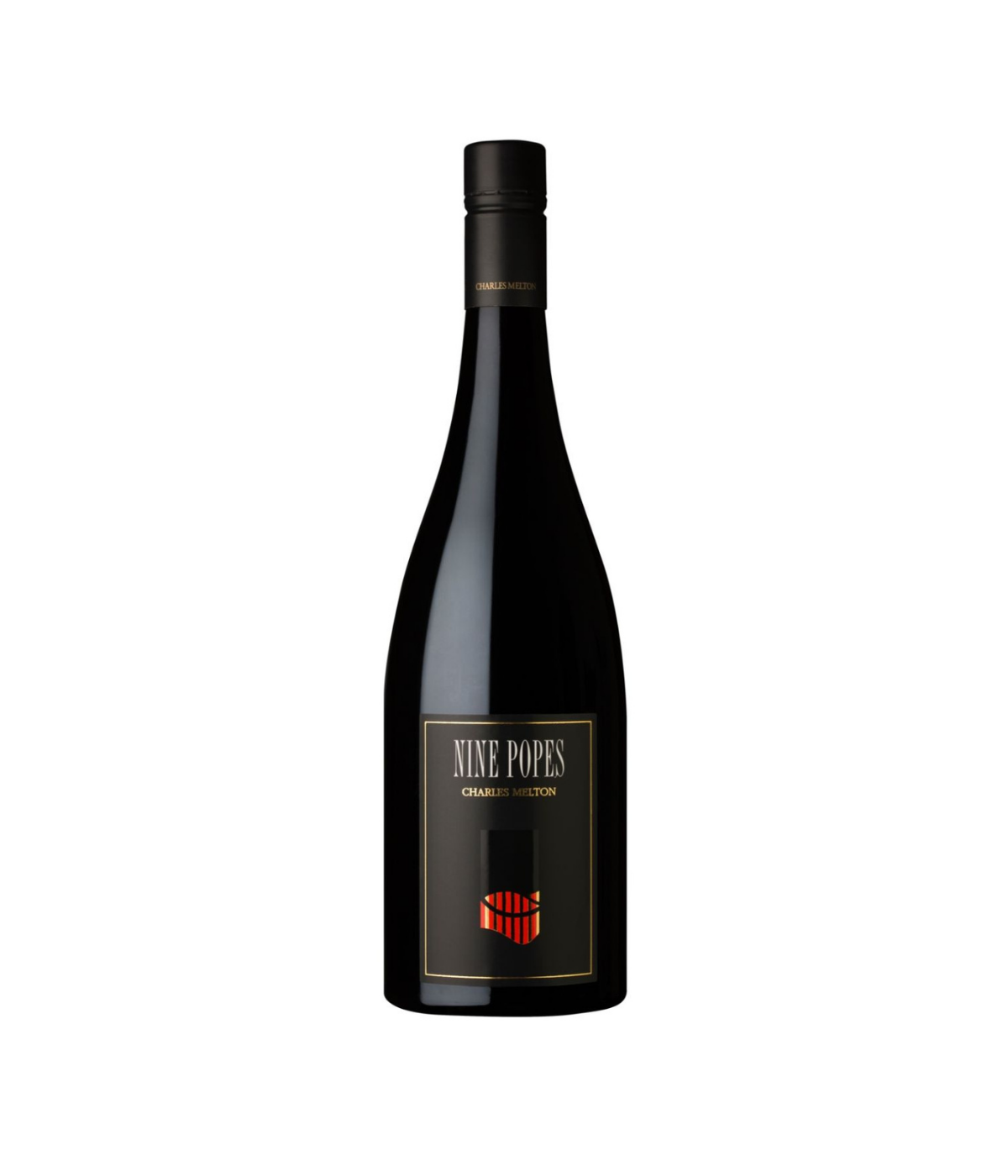
2018 `Nine Popes` Barossa Valley, Charles Melton, South Australia

£75.00 inc. VAT

Nine popes average winter and spring rainfall set the vineyard up for a great season. Warm and dry conditions in late spring and early summer encouraged early ripening and harvest began in the first week of February.

Charlie Melton was among the first to recognise the value and tradition of Barossa Valley’s old-vine Grenache, Shiraz and Mourvèdre (Mataro). While others were grubbing up Shiraz to plant more fashionable varieties, Charlie and a small band of Barossa winemakers convinced farmers to keep their historic vineyards. These wines were initially styled on those from the Rhône but are now considered leading examples in their own right.

Add to basket

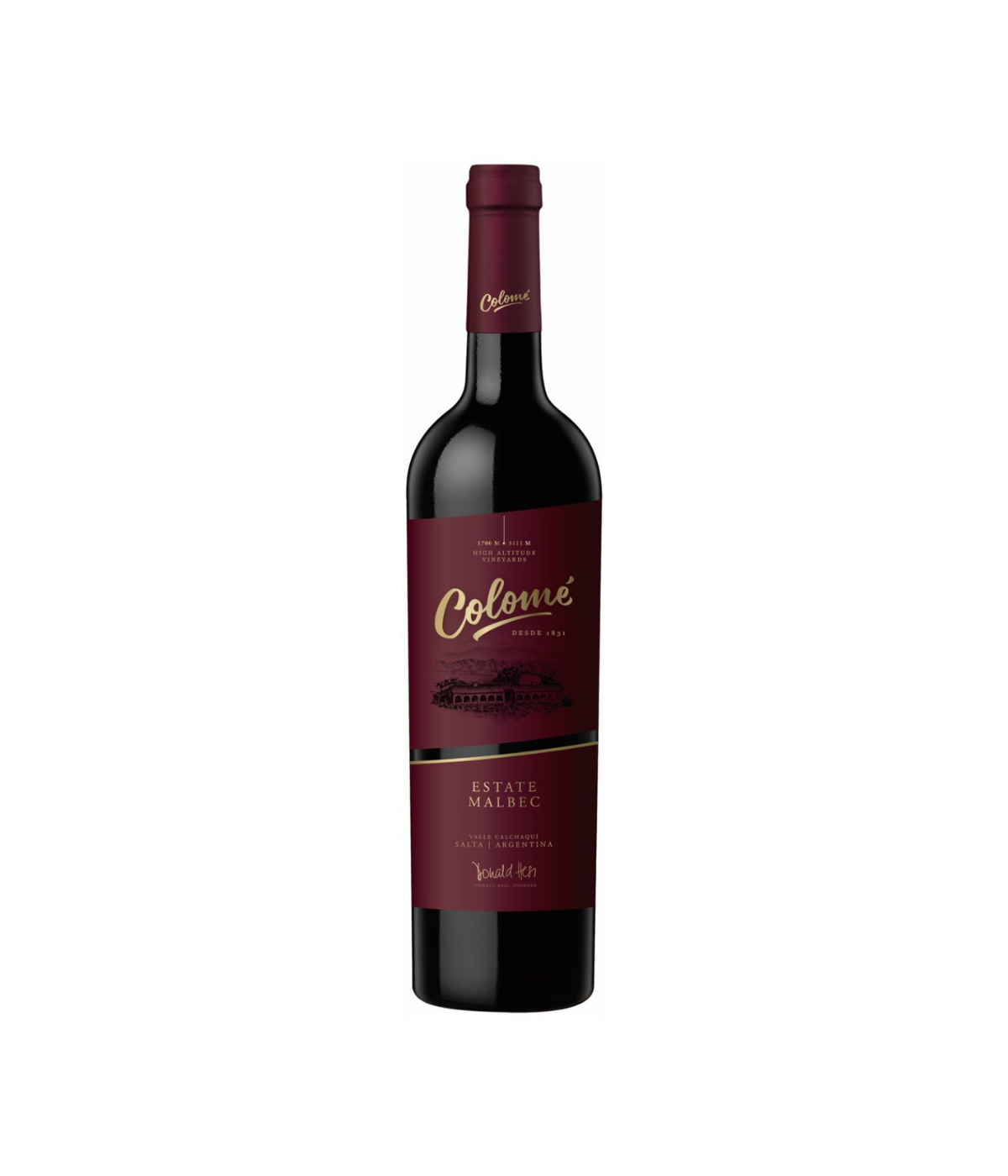
2022 Salta Malbec, Bodega Colomé `Estate Series`, Argentina

£22.00 inc. VAT

Bodega Colome and the Calchaquí Valley enjoyed excellent conditions in 2022. The total rainfall was usual, 160 mm, with a very good crop in terms of both quantity and quality. During maturation, the work on the canopy allowed for a good circulation of air in the vineyard, which helped prevent botrytis from developing. At the same time there were many cloudy days which gave the fruit freshness and avoided sunburn.

Add to basket

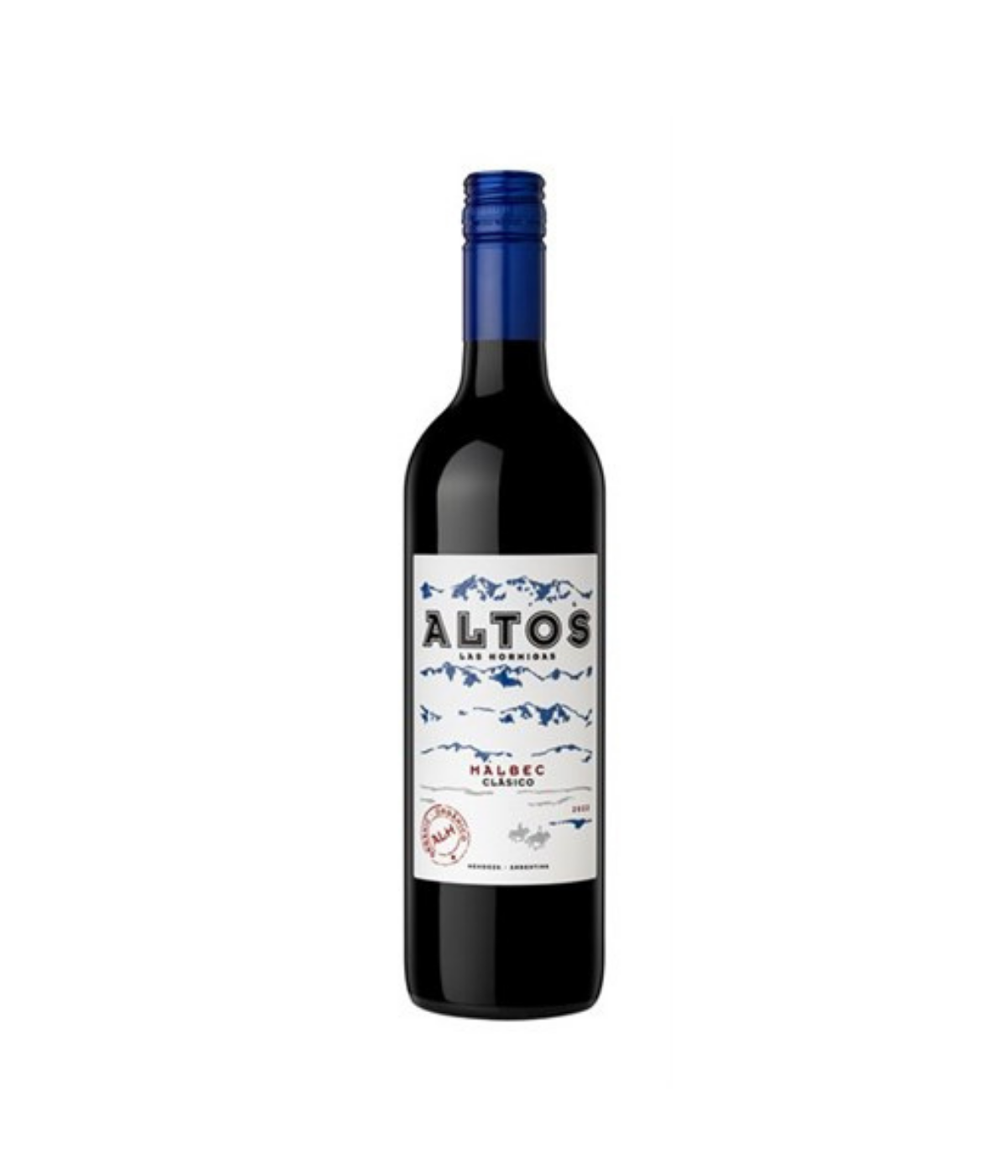
2022 Organic Mendoza Malbec Clásico, Altos Las Hormigas, Argentina

£15.50 inc. VAT

Altos wine 2022 harvest was shorter than others, but no less intense. The season was marked by strong heatwaves which affected the speed of ripening. Careful work in the vineyard allowed the desired alcohol and acidity levels to be obtained prior to the heatwaves which preserved the distinct characteristics of the fruit. The season also saw heavy rains which threatened to delay harvest. However, the rains stopped at the perfect time to allow for a window of harvest when the fruit was at optimum health. The rain also cooled down the vineyards at the end of ripening which provided the necessary balance to the grapes.

Add to basket

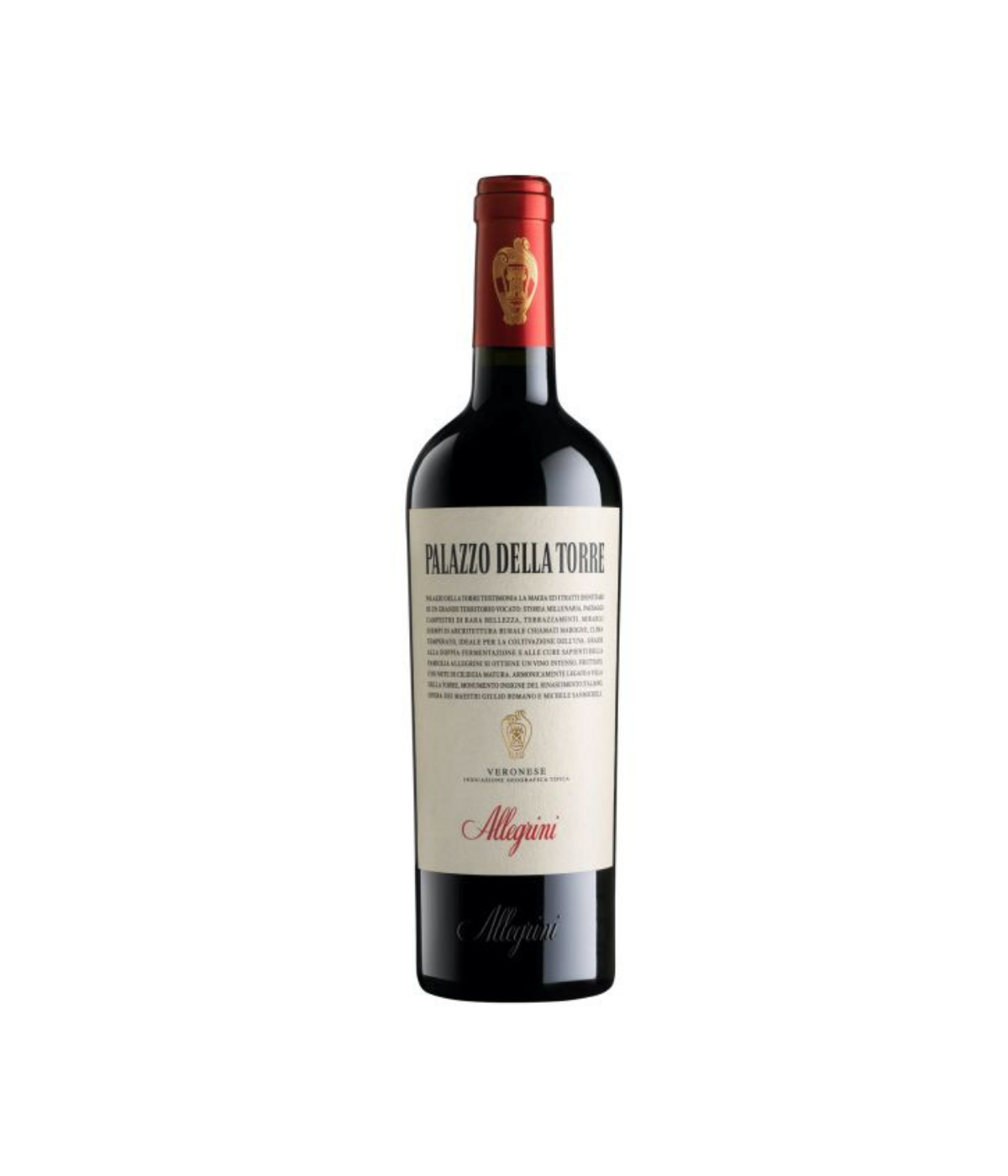
2021 `Palazzo della Torre`, Allegrini, Veneto, Italy

£21.00 inc. VAT

The 2021 vintage was marked by cool temperatures with a significant drop during April. These conditions led to a delay in budburst. As a result, the vegetative development of the vines consequently moved forward by 15-20 days compared to the previous year. In mid-September, some ‘providential’ rainfall was followed by a short summer, where temperature soared to 34-35°C and temperature variations of around 15°C. By harvest, the grapes had attained excellent phenolic ripeness, with crunchy berry flavours and elevated sugar concentrations. The loose (non-compact) bunches are particularly suitable for drying and were a factor that characterised this particular harvest.

Add to basket

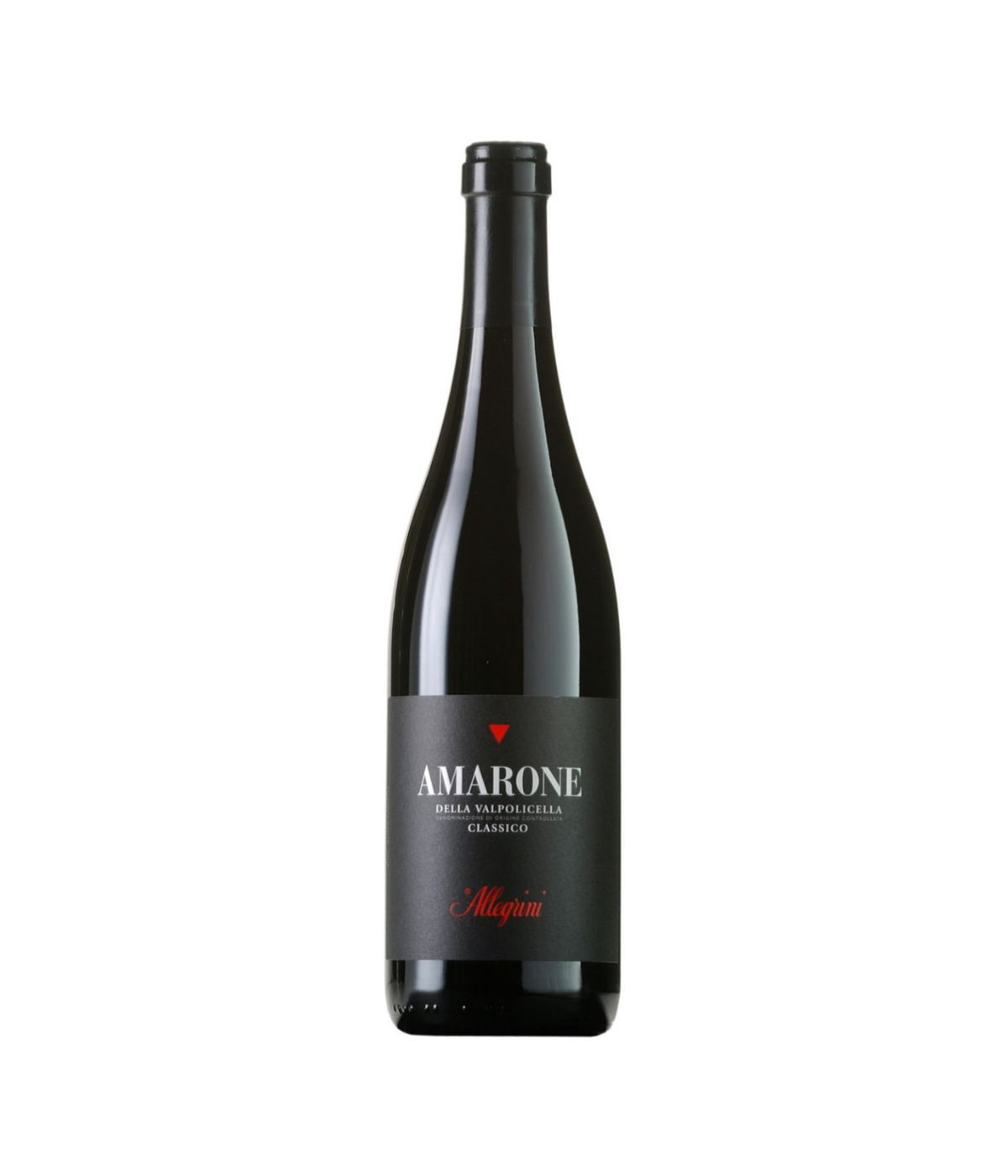
2020 Amarone della Valpolicella Classico, Allegrini, Italy

£67.50 inc. VAT

2020 was a challenging year, with the pandemic and adverse weather conditions in the region. Fortunately the Allegrini vineyards were spared from the violent weather that hit areas near to them in the province of Verona. There was some rain in summer that slowed the ripening process, however good weather in September favoured maturation. The harvest was extended, which made it possible to choose the best time to pick in every single plot, for every single variety. The 2020 fruit was of excellent quality.

The Allegrini family estate comprises 120 hectares of vineyard in the heart of Valpolicella Classico. Although the family has grown grapes here for several centuries, Giovanni Allegrini was the first to start bottling wines from the family’s vineyards. When he died in 1983, he passed his passion and commitment to quality winemaking onto his three children, Walter, Marilisa and Franco. Together, they worked to build on Giovanni’s quality ethos until Walter’s death in 2003. Franco looked after the vineyards and winemaking, while Marilisa continued to manage sales and marketing. From the 2007 vintage, Franco sacrificed the Valpolicella Classico classification by bottling the Allegrini wines under Stelvin to eliminate cork taint and reduce oxidation problems. Franco sadly passed away in 2022. He was an inspiring figure who led the way in Valpolicella’s quest for quality, forging a path many others have followed. In 2023, Franco’s sons Francesco, Giovanni and Matteo, alongside their cousin Silvia Allegrini (Walter’s daughter), became custodians of their family’s historic estate.

Add to basket

Online Sports Nutrition and Natural Dietetics.

Chances are there wasn't collaboration, communication, and checkpoints, there wasn't a process agreed upon or specified with the granularity required. It's content strategy gone awry right from the start. Forswearing the use of Lorem Ipsum wouldn't have helped, won't help now. It's like saying you're a bad designer, use less bold text, don't use italics in every other paragraph. True enough, but that's not all that it takes to get things back on track.

The villagers are out there with a vengeance to get that Frankenstein

You made all the required mock ups for commissioned layout, got all the approvals, built a tested code base or had them built, you decided on a content management system, got a license for it or adapted:

  • The toppings you may chose for that TV dinner pizza slice when you forgot to shop for foods, the paint you may slap on your face to impress the new boss is your business.
  • But what about your daily bread? Design comps, layouts, wireframes—will your clients accept that you go about things the facile way?
  • Authorities in our business will tell in no uncertain terms that Lorem Ipsum is that huge, huge no no to forswear forever.
  • Not so fast, I'd say, there are some redeeming factors in favor of greeking text, as its use is merely the symptom of a worse problem to take into consideration.
  • Websites in professional use templating systems.
  • Commercial publishing platforms and content management systems ensure that you can show different text, different data using the same template.
  • When it's about controlling hundreds of articles, product pages for web shops, or user profiles in social networks, all of them potentially with different sizes, formats, rules for differing elements things can break, designs agreed upon can have unintended consequences and look much different than expected.

This is quite a problem to solve, but just doing without greeking text won't fix it. Using test items of real content and data in designs will help, but there's no guarantee that every oddity will be found and corrected. Do you want to be sure? Then a prototype or beta site with real content published from the real CMS is needed—but you’re not going that far until you go through an initial design cycle.