Sustainability used to just be a buzzword, but now it’s a mandatory consideration for businesses and a factor that influences consumer buying behaviour. Packaging has long been wasteful, fuelling the rise of paper packaging. In the luxury spirits world, exquisite glass bottles and opulent packaging are the norm, so could paper packaging have a play in luxury spirits?
Why Paper Packaging?
The shift towards paper packaging in the luxury spirits industry has recently been driven by several factors:
- Environmental Impact: Although glass bottles are recyclable, they have a considerable carbon footprint due to the amount of energy and heat required. This is compared to paper, which is easily recyclable and requires far less energy.
- Consumer Demand: For modern consumers, it’s not enough for brands to just look good, they now need to be good. Consumers are starting to prefer brands that demonstrate a commitment to sustainability, looking to see for example if brands are B-Corp certified.
- Regulatory Pressures: Governments and regulatory bodies are becoming much more focused on waste. Just take the EU, they have tight regulations on single-use plastics and packaging waste.
Luxury Brands Are Starting To Lead The Way
Several premium brands in the luxury spirits space have already started to embrace paper packaging, as early adopters they are setting new standards for sustainability.
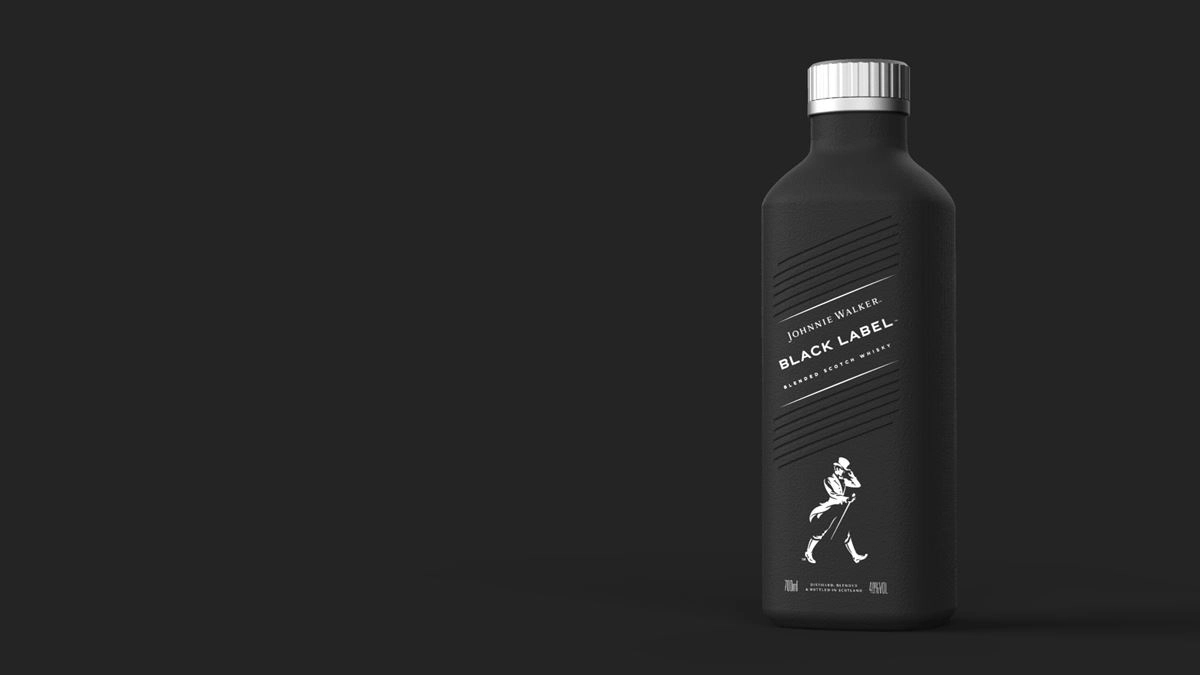
Diageo, the parent company of Johnnie Walker set the tone very early on, unveiling a paper-based bottle prototype back in 2020. The packaging is sustainably sourced wood pulp called Pulpex, which was formed from a collaboration between Diageo and Pilot Lite. This move follows Diageo’s ambition to achieve net-zero carbon emissions.
Bruichladdich who are owned by Rémy Cointreau have also ventured into the sustainable space, producing an outer wrap for their Luxury Redefined range (18 and 30 Year Old whiskies) that was manufactured using only green energy and sustainable wood pulp. Rémy Cointreau also removed gift boxes for their VSOP brandy and changed their bottle from glass to lightweight recycled PET plastic.
Balancing Perception and Pricing
Luxury spirits are frequently purchased based on value and exclusivity, and high-quality packaging plays a key role in this. The appearance and presentation of the bottle makes a huge difference. This is where paper packaging might pose a challenge, as it may not convey the same level of exclusivity compared to a hand moulded glass bottle. That being said, there have been significant advancements in science that allow paper packaging to be visually and tangibly appealing.
Furthermore, luxury consumers and especially younger consumers, are increasingly focused on a brands sustainability practices and are willing to pay a premium if the brand aligns with their values.
Challenges and Future Prospects
While the benefits of paper packaging are clear, the transition is easier said than done, especially for luxury spirits brands. The aesthetic appeal of packaging is crucial for the luxury spirits industry, where the look and feel of a bottle can influence whether a consumer makes a purchase. Whilst the luxury spirits industry is making progress on the sustainability front, there is still a long way to go. Technology advancements and a growing demand for sustainable goods will help to drive the transition.