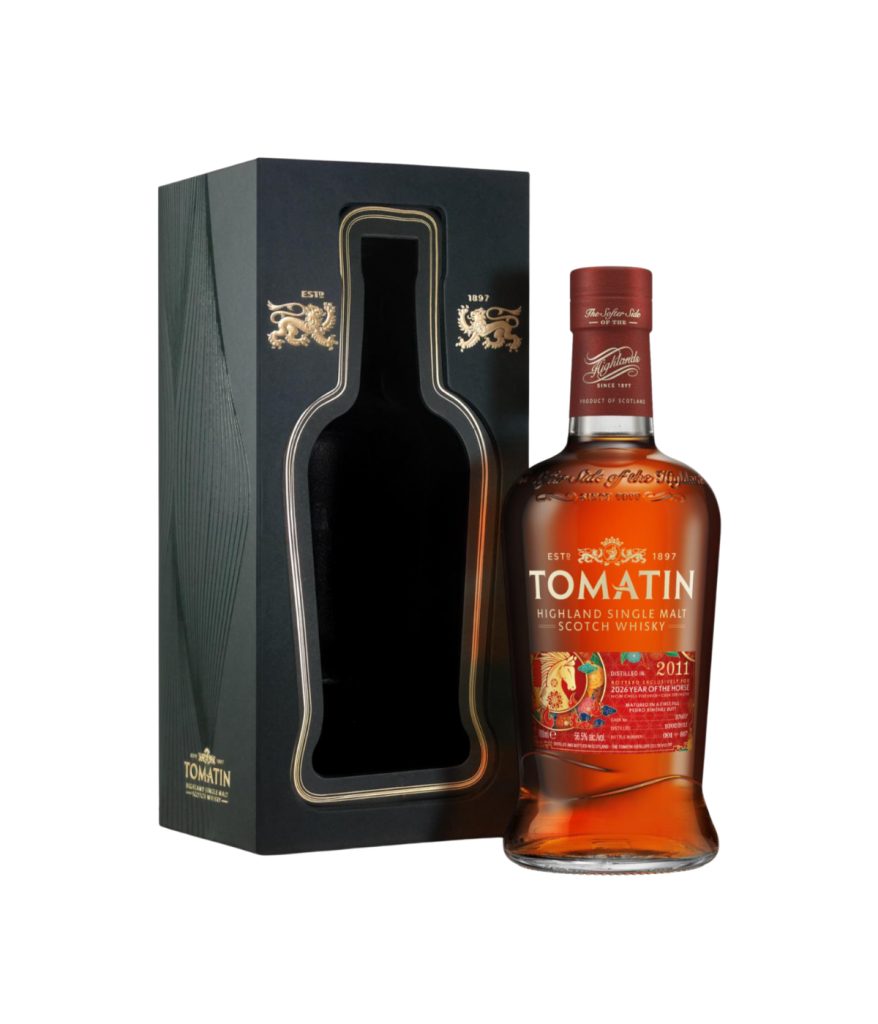
We have compiled some intriguing facts that you may not know about whisky, perfect to use as a topic when next having a dram with a friend!
1. Origins and Etymology: The word “whisky” comes from the Gaelic “uisge beatha” or “usquebaugh,” meaning “water of life.” Its origins can be traced back to medieval monks in Ireland and Scotland, who began distilling spirits as early as the 12th century.
2. Whisky vs. Whiskey: The spelling “whisky” is typically used for Scotch, Canadian, and Japanese whisky, while “whiskey” is used for Irish and American whiskey. This is goes back to the 19th century when Irish distillers added an “e” to differentiate their product from Scotch whisky, which had a poorer reputation at the time.
3. Aging Process: Whisky must be aged in wooden casks, usually oak, for a minimum of three years.
4. Angel’s Share: During the ageing process, a portion of the whisky evaporates through the cask. This lost portion is poetically referred to as the “angel’s share.” and stands at about 2% a year.
5. Water Influence: The quality of water used in whisky production is crucial. Distilleries often source their water from local springs, rivers, or boreholes, and the mineral content of the water can affect the taste of the final product.
6. Malted vs. Unmalted: Scotch whisky is often made from malted barley, which means the barley is soaked in water to germinate and then dried with hot air. This process can involve the use of peat smoke, which imparts a smoky flavour. Irish whiskey, on the other hand, often uses a mix of malted and unmalted barley.
7. Single Malt vs. Blended: Single malt whisky is made at one distillery using malted barley as the only grain ingredient. Blended whisky, which is the most commonly consumed whisky, is made from a mix of malt whisky and grain whisky from different distilleries.
8. Whisky Investment: Rare and aged whiskies have become popular investment items. Bottles from well-known distilleries, especially those that have closed, can fetch significant prices. Some whiskies have even outperformed traditional investments like stocks and gold.
9. Whisky Regions: In Scotland, whisky is categorised by the region where it is produced, including Highland, Lowland, Speyside, Islay, and Campbeltown. Each region has distinct characteristics; for example, Islay whiskies are known for their strong smoky and peaty flavours.
10. Health Benefits: Moderate whisky consumption has been linked to various health benefits, such as improved heart health and reduced risk of stroke. It contains elegiac acid, an antioxidant that helps to absorb rogue cells in the body. However, these benefits are only associated with moderate consumption.